 France
 English
 Deutsch
 Español
 Italiano
 Nederlands
 Polski
 Português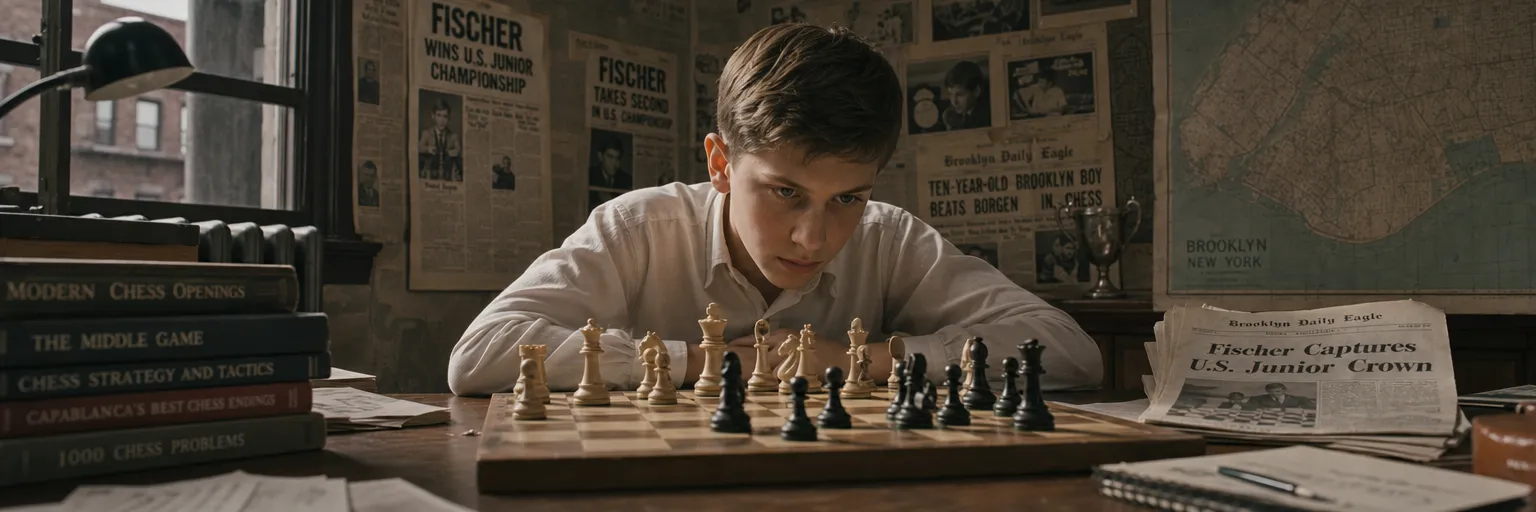
Bobby Fischer's early years and his first achievements
Bobby Fischer fascinated the chess world from a very young age with his precocious talent, intense work ethic, and exceptional understanding of the game. Born in Chicago in 1943 and raised in Brooklyn, he discovered chess in childhood and devoted himself to it with a rare obsession. From his earliest formative years, he stood out for an unusual ability to calculate deeply, spot his opponents' weaknesses, and play with a maturity usually seen in far more experienced masters.
An early revelation in the world of chess
As a teenager, Fischer progressed at lightning speed in New York clubs, where his raw talent quickly became obvious. His style was already defined by a determination to win in every position, a sharp sense of initiative, and an impressive work discipline. At just 13, he drew international attention thanks to a legendary game against Donald Byrne, often nicknamed the “Game of the Century.” This spectacular victory revealed a player capable of sacrificing material to obtain irresistible activity, a sign of extraordinary genius.
The youngest U.S. champion
In 1957-1958, Bobby Fischer won the United States Championship at just 14, becoming the youngest winner in the history of the competition at that time. This achievement marked a major turning point in his career and confirmed that he was no longer just a promising prodigy, but already a formidable competitor on the national stage. His success was built as much on his natural talent as on his intensive study of openings, endgames, and the games of the great Soviet masters.
A rapid rise to the world elite
After his first national titles, Fischer gradually established himself among the best players in the world. He earned the grandmaster title at a very young age, an exceptional accomplishment for the time. His performances in international tournaments showed that he could compete with the established elite, despite the Soviet dominance that then weighed heavily on the game of chess. This rise to prominence was already fueling the Bobby Fischer myth: that of a solitary, perfectionist player determined to challenge an entire system through the sheer force of his talent alone.
The foundations of a legend
Bobby Fischer’s beginnings and his first exploits laid the foundations for a unique path in chess history. His extreme demands, fighting spirit, and understanding of the game already foreshadowed the heights he would later reach. Long before becoming world champion, he projected a powerful image: that of an American prodigy capable of turning every game into a display of willpower, precision, and ambition.
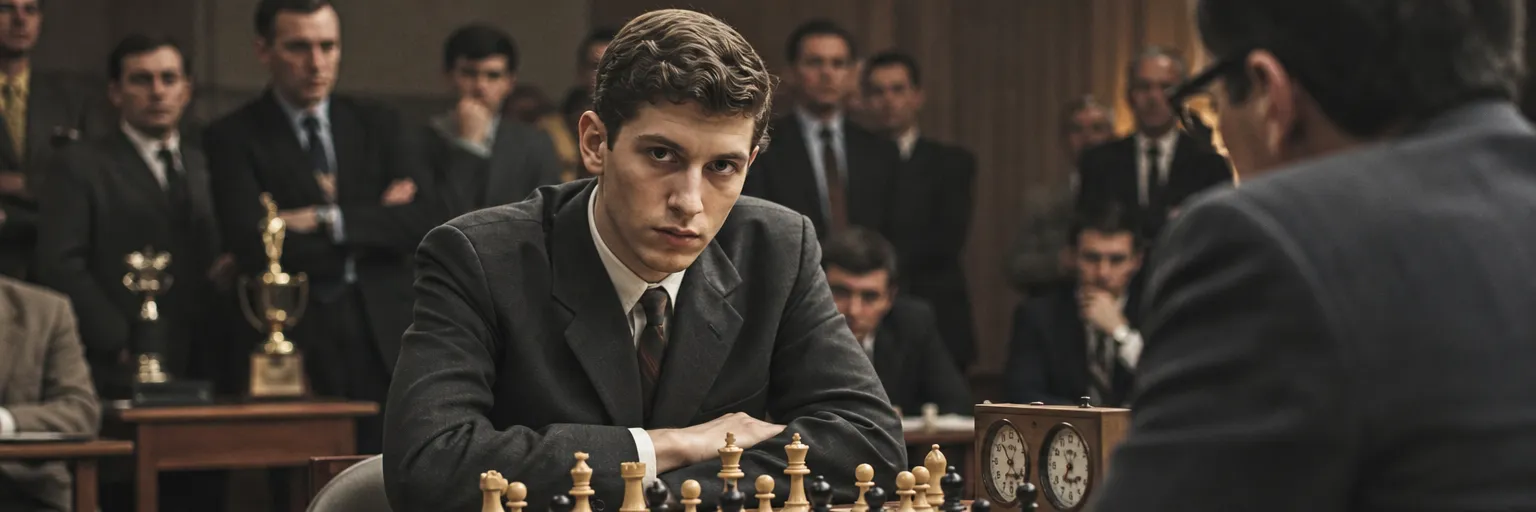
The meteoric rise of a chess prodigy
As he racked up remarkable performances, Bobby Fischer established himself as a singular figure in the world of 64 squares. His rise was not merely a matter of raw talent : it reflected extraordinary discipline, an impressive memory, and a fierce determination to dominate the best players of his era. At a very young age, he moved beyond the status of a mere prospect to become a feared competitor on the international stage.
A rapid rise to the world elite
Tournament after tournament, Fischer delivered standout results and demonstrated a level of maturity rarely seen in a teenager. His ability to calculate with precision, exploit the slightest weakness in his opponents, and turn small advantages into clear victories impressed masters and the general public alike. This growing momentum quickly fueled the narrative of a chess genius capable of overturning the global hierarchy.
His breakthrough took on an even more spectacular dimension when he rose among the best players on the planet. In a context dominated by the Soviet school, every success by the American resonated like an event. Fischer did not merely take part : he imposed a demanding, precise, and ambitious style that already foreshadowed the future legendary games that would build his legend.
A playing style both rigorous and aggressive
One of Bobby Fischer’s greatest strengths lay in the rare balance between theoretical preparation and practical sense. He knew openings in depth, but also knew how to step off the beaten path to draw his opponents onto uncomfortable ground. This technical mastery, combined with constant fighting spirit, made every encounter as much a demonstration of will as of strategic understanding.
His play appealed because it combined clarity and intensity. Even in seemingly quiet positions, Fischer looked for active resources, improved his pieces patiently, and launched the attack at exactly the right moment. This approach helped shape the perception of his career : that of a complete competitor, capable of elevating every game to the level of a psychological and intellectual ordeal.
The birth of a unique aura
By overcoming more experienced opponents and displaying unwavering confidence, Fischer gradually became far more than a promising champion. He embodied a break from the norm, an extraordinary personality whose every appearance drew attention. His journey inspired as much admiration as fascination, because he seemed to move forward by his own rules, with an intensity rarely matched.
This spectacular rise thus laid the foundations for what would later define the uniqueness of Bobby Fischer : a meteoric trajectory, an absolute level of demanding standards, and an exceptional ability to leave a mark on chess history long before the peak of his fame.
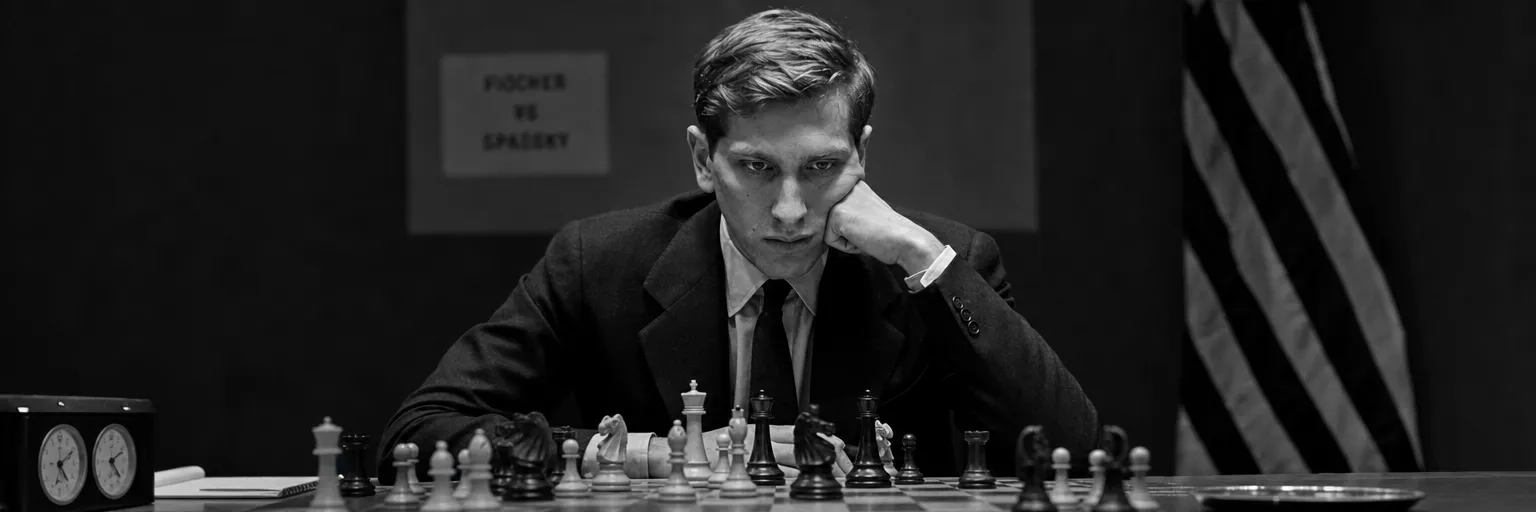
The singular playing style that made Bobby Fischer a legend
With Bobby Fischer, every move seemed to follow an implacable logic. His approach combined formidable technical precision, a constant desire to seize the initiative, and a rare ability to turn the slightest advantage into a clear victory. This blend of discipline, creativity, and rigor shaped the image of a chess genius capable of dominating both the opening phases and the most complex endgames.
A constant search for the best continuation
Fischer was never satisfied with merely correct moves. He almost always sought the most energetic, most accurate continuation, and the one most difficult for his opponent to face. This extreme exactingness explained the depth of his preparation, as well as his exceptional calculating ability. In many legendary games, he imposed a pace in which the slightest inaccuracy from his opponent was immediately punished.
His style also stood out for its remarkable clarity: even in tense positions, he managed to coordinate his pieces with impressive fluidity. This quality gave his victories an almost inevitable character, as if the position itself eventually confirmed the superiority of his plan.
The art of attack built on solid positional foundations
Yet reducing Fischer to a purely tactical player would be a mistake. His offensives often stemmed from a very fine positional understanding. Before launching an attack, he improved his pieces, controlled the key squares, and limited possible counterplay. It was this strategic discipline that made his game so dangerous: the aggression was not a matter of improvisation, but of methodical construction.
In the history of chess, few champions have managed to combine patience and combinational violence to such a degree. Fischer could apply slow pressure in an equal position, then suddenly unleash a decisive tactical sequence. This ability to change pace contributed greatly to his reputation as a complete player.
Endgames of clinical precision
Another striking feature of his chess identity lay in his immense mastery of endgames. Where many players relax their attention, Fischer maintained maximum intensity. He excelled in pawn, rook, and minor-piece endgames, turning small advantages into full points thanks to exemplary technique.
This dominance in the final moments of the game reinforced the psychological pressure he exerted. Against him, opponents knew they had to withstand not only the middlegame, but also an endgame phase in which the future world champion displayed formidable accuracy.
A lasting mark on future generations
Fischer’s style had a lasting influence on modern chess culture. His seriousness in preparation, his refusal of easy shortcuts, and his obsession with truth on the chessboard inspired generations of players. By studying Bobby Fischer’s career, one understands that his legend rests not only on his titles or his famous encounters, but on a unique way of conceiving the game.
This singular identity explains why his name remains associated with absolute excellence. More than an exceptional champion, Fischer remains a benchmark for all those who see chess as an art of precision, willpower, and intellectual domination.
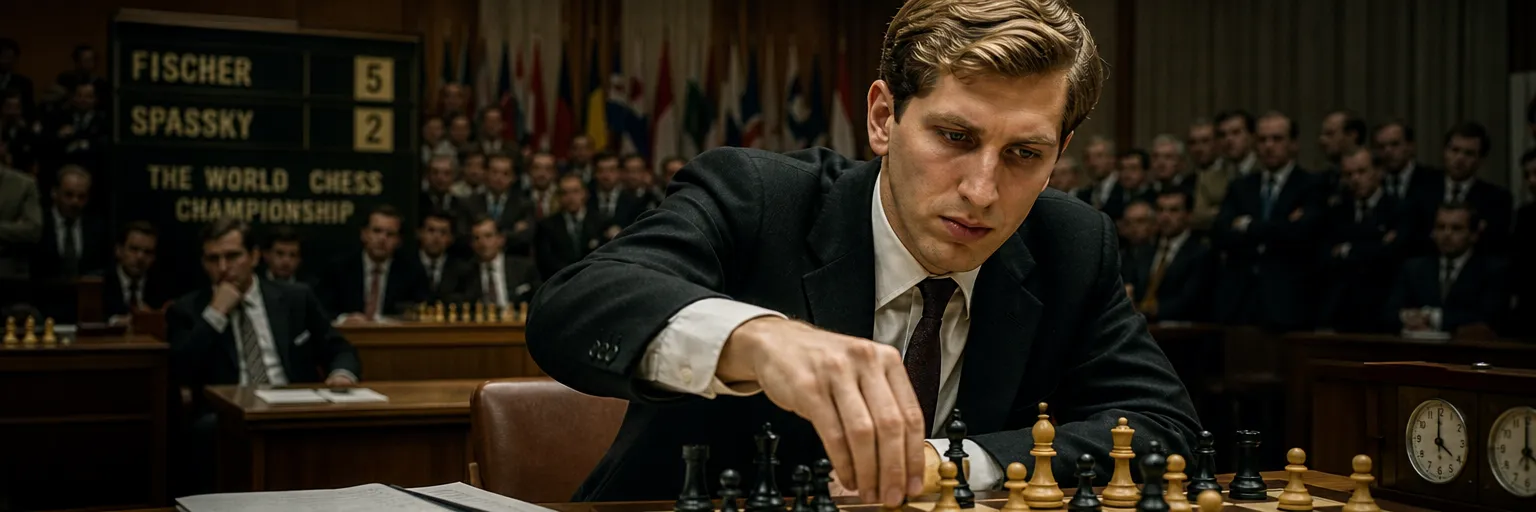
Bobby Fischer's greatest tournament triumphs
In the strongest competitions of his era, Bobby Fischer delivered performances that left a lasting mark on chess history. His ability to dominate elite opponents, string together wins under pressure, and raise his level at major events made him an absolute benchmark of the modern chess tournament.
The 1963-1964 U.S. Championship, a unique demonstration
One of the most impressive feats of his career remains his triumph at the 1963-1964 U.S. Championship. There, Fischer achieved the perfect score of 11 wins in 11 games, a result that is almost unimaginable at that level. This record illustrates both his theoretical preparation and his mental strength, as he gave his rivals no chance in a highly competitive tournament. This performance remains one of the most frequently cited peaks when discussing his geniuscompetitive nature of Bobby Fischer.
The Interzonals and the rise to the top of the world
Before capturing the ultimate title, Fischer shone in the major stages of the world cycle. His success at the Portorož Interzonal in 1958 already revealed a player capable of competing with the very best. Later, his resounding victory at the Palma de Mallorca Interzonal in 1970 confirmed that he had become the overwhelming favorite for the crown. In this kind of international competition, he impressed with his consistency, sense of initiative, and ability to turn slight advantages into full points.
The 1971 Candidates campaign, a legendary streak
Few sequences in chess history have been as striking as the Candidates matches in 1971. Fischer crushed Mark Taimanov 6-0, then Bent Larsen by the same score, two results that astonished the entire world. Against Tigran Petrosian, former world champion and master of defense, he again prevailed with authority. This series of victories over top-ranked players gave his rise an almost unreal dimension and firmly established the idea of unparalleled dominance.
The world coronation in Reykjavik in 1972
The pinnacle of his triumphs in chess tournaments and matches remains, of course, the 1972 World Championship against Boris Spassky, in Reykjavik. Beyond the political context of the Cold War, Fischer demonstrated exceptional resilience there after a difficult start. His final success represented not only a sporting conquest: it symbolized the culmination of years of effort, discipline, and ambition. By winning this historic duel, Bobby Fischer turned his name into a myth and wrote one of the most famous pages in chess history.
Why these successes remain unmatched
If Bobby Fischer’s triumphs continue to be celebrated, it is because they combine statistical dominance, dramatic intensity, and exceptional quality of play. His results are not simply the product of accumulating trophies: they testify to a rare ability to elevate decisive moments. Every great achievement by Fischer strengthened his aura, ultimately making him one of the most remarkable figures in all of chess history.
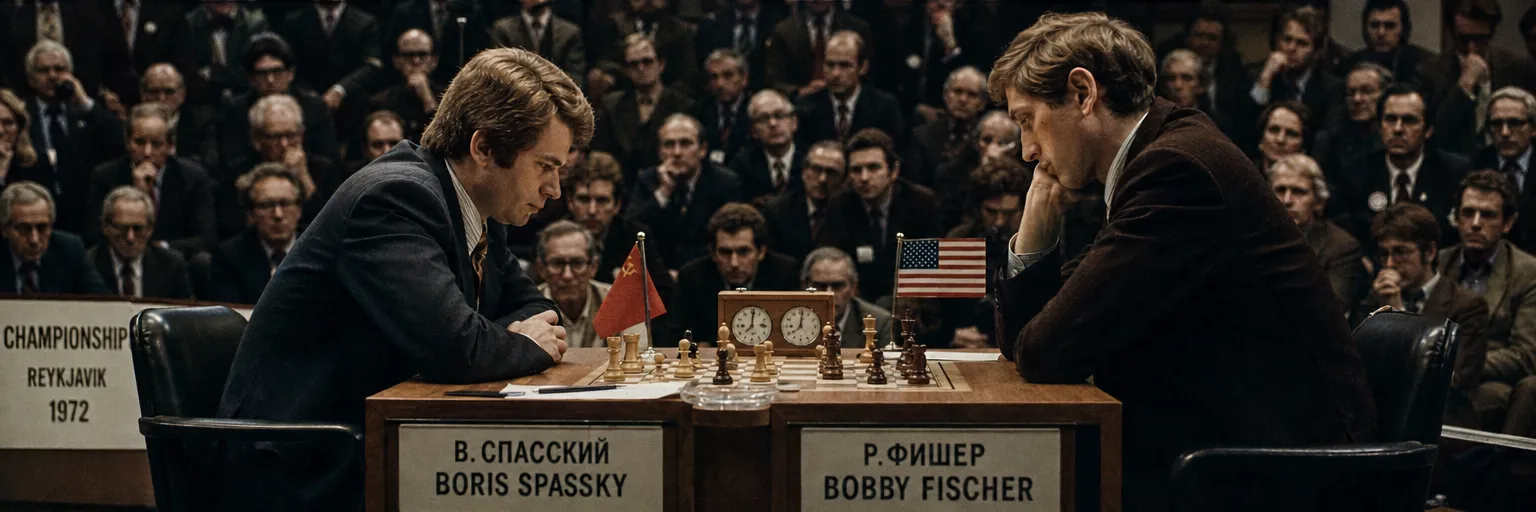
The match of the century against Boris Spassky
In 1972, in Reykjavik, the clash between Bobby Fischer and Boris Spassky went far beyond the realm of sport. This duel for the world title became a global event, watched as much for its political significance as for its immense chess value. At the heart of the Cold War, the American genius challenged the Soviet champion in what many still consider the match of the century.
A duel fraught with sporting and political stakes
For decades, the Soviet Union had dominated the World Chess Championship. Fischer’s arrival to face Spassky therefore marked a historic break. More than just a World Championship, this encounter symbolized the clash between two worldviews. Fischer alone carried American hopes, while Spassky represented a Soviet school renowned for being methodical, profound, and fearsomely well prepared.
The tension was all the greater because Fischer had produced an exceptional run before reaching the final. His resounding victories in the Candidates matches reinforced his image as an almost invincible player. In Reykjavik, every game was scrutinized like a decisive episode in a historic East-West confrontation.
A clash marked by controversy
The face-off between the two men did not begin in calm conditions. Fischer kept multiplying his demands regarding playing conditions, lighting, cameras, and the overall organization. His unpredictable behavior even threatened the very staging of the match. This tense atmosphere helped forge the legend of the Fischer-Spassky match, where the psychological suspense was almost as intense as the stakes on the chessboard.
The start of the match was chaotic. Fischer lost the first game after a surprising mistake, then forfeited the second, giving Spassky an immediate lead. Many then thought the American dream had already been shattered. Yet this dramatic opening only heightened the significance of his future comeback.
The turning point in Reykjavik
From the third game onward, played in a more isolated room at Fischer’s request, the momentum changed completely. The American regained his precision, intensity, and confidence. Little by little, he imposed his rhythm, won complex positions, and pushed Spassky into unusually uncomfortable territory. This comeback fueled the myth of Bobby Fischer as an extraordinary competitor, capable of turning a compromised situation into a display of strength.
The quality of his play deeply impressed observers. Fischer did not merely defend his chances: he took strategic control of the match. His sense of initiative, endgame technique, and theoretical preparation made the difference against an opponent who was nevertheless a great champion.
Games that became legendary
Several games from this duel have gone down in chess history. Game six, in particular, remains one of the most admired. With the white pieces, Fischer delivered a performance of great positional purity. His harmonious, precise, and gradually suffocating play even won the respect of the opposing camp. Spassky himself is said to have applauded the quality of this game, which became a reference point in the study of modern classical play.
This match also revealed Fischer’s universal dimension: a player capable of excelling in tactical complications as well as in the most refined structures. It is this versatility that explains why so many analysts see this duel as one of the absolute peaks in the history of chess.
A victory that changed history
By ultimately winning the match with a score of 12.5 to 8.5, Fischer brought an end to Soviet hegemony over the world crown. This triumph permanently transformed his image and made him as much a cultural symbol as a champion. The victory over Spassky was not merely a personal feat: it changed the world’s perception of chess and gave it unprecedented visibility.
Even today, Reykjavik 1972 remains the most iconic moment of his career. Through this legendary duel, Fischer etched his name into the collective memory, not only as world champion, but as the central figure in a unique episode where sport, psychology, strategy, and history intertwined in an unforgettable way.
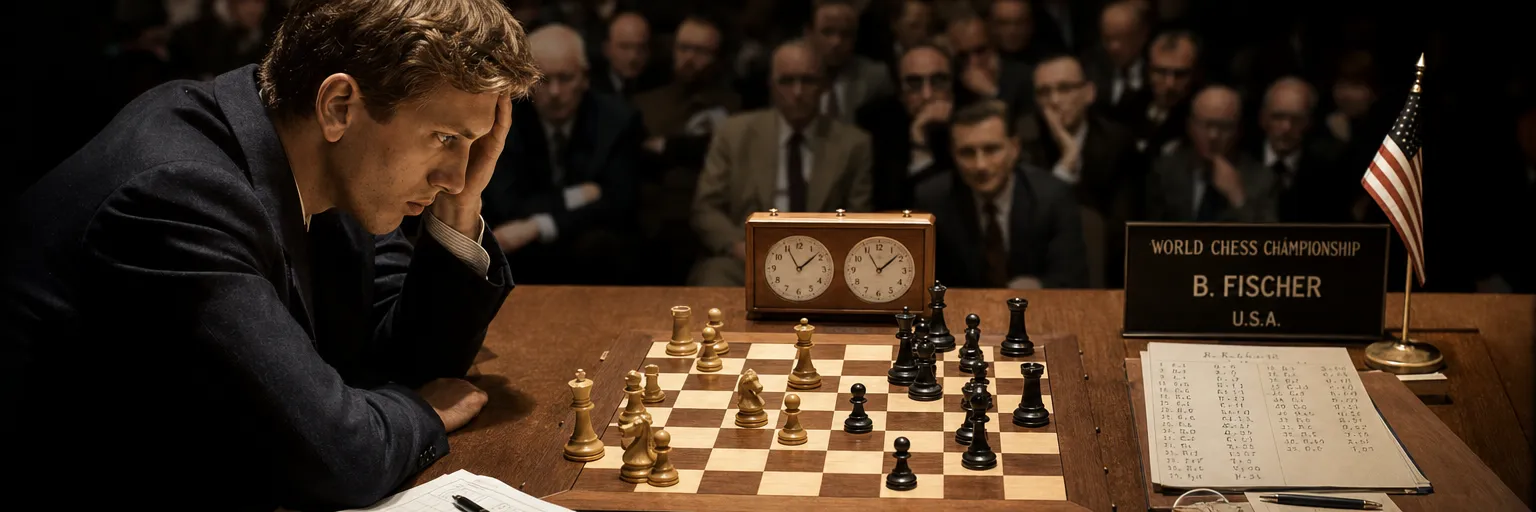
Bobby Fischer’s legendary games to analyze
To grasp the full extent of Bobby Fischer’s talent, nothing is more telling than studying his most famous encounters. Some games have become absolute benchmarks, both for their strategic precision and tactical creativity, and they help explain why his name remains associated with chess genius.
The “Game of the Century” against Donald Byrne
Played in 1956, this game is often the first mentioned when discussing Fischer’s masterpieces. At only thirteen years old, he displayed a spectacular vision of the game, built on piece activity, a sense of timing, and a rare ability to calculate complex variations. The queen sacrifice that occurs in the heart of the game helped turn this duel into legend, but the value of this masterpiece goes far beyond its dramatic effect: every black move reveals exceptional coordination and an already mature understanding of positional imbalances.
Analyzing this game shows how such a young player could already turn a dynamic initiative into lasting domination. For any Bobby Fischer enthusiast, this encounter is essential viewing, as it perfectly illustrates the blend of composure, audacity, and rigor that would define his entire career.
Displays of strength against Tigran Petrosian
Fischer’s victory over Tigran Petrosian in the 1971 Candidates cycle ranks among the most impressive moments of his career. Petrosian, renowned for his almost impenetrable defense, represented a major strategic challenge. Yet Fischer managed to impose a game of great clarity, limiting his opponent’s counterplay and exploiting the slightest weakness with remarkable patience.
These games are particularly instructive for understanding his sense of preparation and his ability to adapt to very different player profiles. Against such a solid champion, Bobby Fischer does not simply attack: he builds, improves his pieces, and waits for the exact moment to deliver the decisive blow. It is this overall mastery that makes these encounters so valuable to analyze.
The landmark duels against Boris Spassky
The games played against Boris Spassky, before and during the 1972 World Championship, hold a central place in chess history. They show a Fischer capable of alternating technical precision, positional intuition, and a keen sense of initiative. Some of the victories achieved in this head-to-head became iconic, notably because they were won under extraordinary media and psychological pressure.
One of the most studied remains the sixth game of the Reykjavik match, often admired for its strategic purity. With the white pieces, Fischer delivered a remarkably fluid performance, gradually dominating his opponent until he obtained a superior position with almost no apparent flaws. For many analysts, this encounter sums up the essence of Fischer’s genius: a domination that seems natural, but in reality rests on elite-level precision.
Why these games remain essential
If these encounters continue to fascinate, it is because they offer several levels of interpretation. The novice sees brilliant moves and spectacular turnarounds, while the experienced player discovers deep logic, strategic discipline, and a consummate art of transition between the opening, middlegame, and endgame. Fischer’s legendary games are not only beautiful: they are educational.
Studying these encounters also means gaining a better understanding of the uniqueness of his legacy. Each famous Bobby Fischer game sheds light on a different facet of his talent: dazzling creativity, conversion technique, theoretical preparation, and mental resilience. That is why they remain, even today, models for analysis for all those interested in the history and depth of the game of chess.
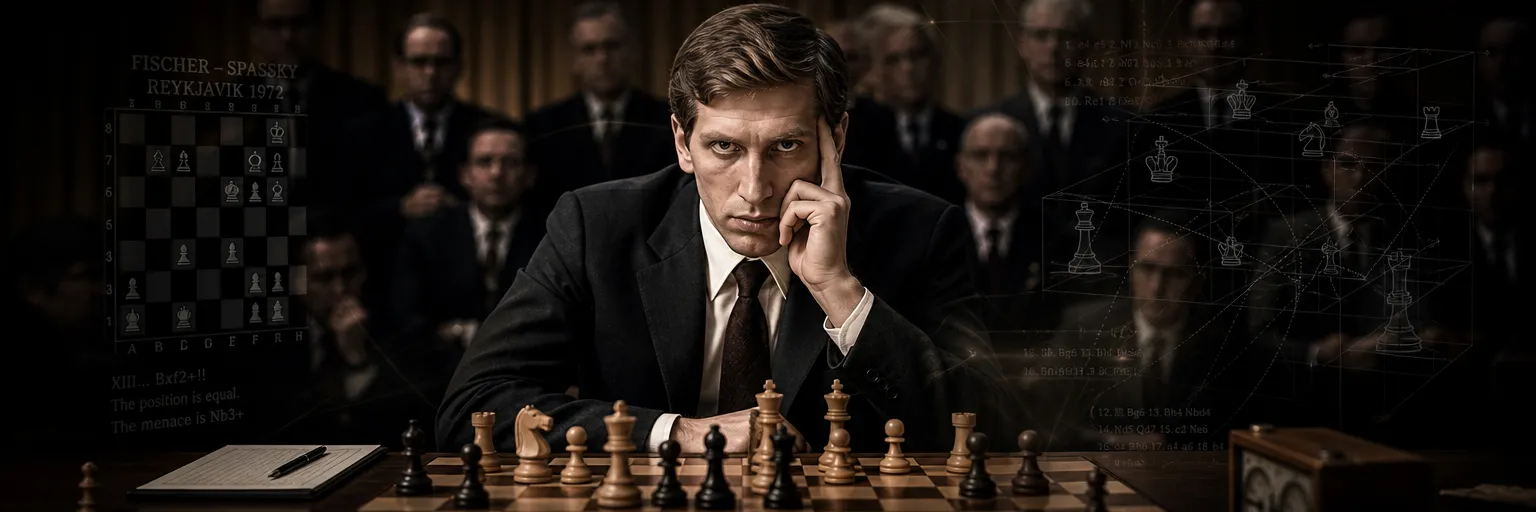
Bobby Fischer’s strategic and tactical genius
Few champions have managed to combine, with such intensity, precision of calculation, positional depth, and attacking instinct. For Bobby Fischer, strategy was never opposed to tactics : it prepared them, made them possible, then amplified them at the decisive moment. This ability to turn a slight edge into an irresistible initiative explains why his name remains associated with the pinnacle of modern chess.
A global vision of the game
The American grandmaster excelled at evaluating complex positions. He knew how to identify lasting weaknesses, gradually improve the activity of his pieces, and impose a coherent plan without rushing. This exceptional sense of coordination made Bobby Fischer a formidable player both in technical endgames and in tense middlegame positions.
His strength lay notably in his ability to anticipate several positional transformations. Where others saw only a simple favorable exchange, he already perceived a winning pawn structure, an exploitable strong square, or an open file destined for his rooks. This deep reading reveals the full character of the strategic genius on which he built his reputation.
A dazzling tactical sense
While his positional mastery was impressive, his ability to strike at the right moment was even more fascinating. Fischer detected tactical motifs with remarkable speed : pins, deflections, exchange sacrifices, or attacks on the king often emerged after apparently discreet preparation. It is in this alliance between patience and explosiveness that his tactical genius is fully expressed.
His combinations were almost never gratuitous. They stemmed from a strict logic, born of prior domination of space, development, or activity. This method helped make many of Fischer’s legendary games true pedagogical models for players and analysts around the world.
Openings prepared with extreme rigor
A large part of his superiority also came from his preparation. Fischer studied openings with rare rigor, seeking not only the best moves, but also the most incisive long-term plans. With White, his 1.e4 symbolized a constant desire to seize the initiative. With Black, he defended solid and ambitious systems, capable of holding firm and then counterattacking with precision.
This theoretical rigor allowed him to enter the middlegame with positions he understood better than his opponents. His work on the Najdorf Sicilian, the King’s Indian Defense, and the Ruy Lopez profoundly influenced the history of chess and reinforced the image of a champion as studious as he was inspired.
The art of turning the slightest advantage into victory
One of the most admired traits in Bobby Fischer was his conversion technique. Sometimes all he needed was a weak pawn, a slight lag in his opponent’s development, or a poorly placed piece to apply continuous pressure. This ability to magnify an almost invisible advantage evokes the greatest technicians of all time.
In this area, Fischer combined composure, precision, and a sense of timing. He never gave up the search for the best move, even in seemingly simple positions. It is precisely this absolute standard that forged his legend and explains why his body of work continues to be studied as the accomplished expression of a strategic genius in the service of total ambition.
Why his play continues to fascinate
Fischer’s style remains a benchmark because it brings together several chess ideals : clarity of plans, calculating power, boldness in attack, and technical precision. His games show that lasting domination is often born from superior understanding before culminating in a brilliant tactical sequence.
Even today, coaches, amateurs, and champions return to his games in search of concrete lessons. Through them, Bobby Fischer appears not only as a tremendous competitor, but also as one of the most remarkable thinkers in chess history, capable of uniting science, intuition, and creativity in legendary games.
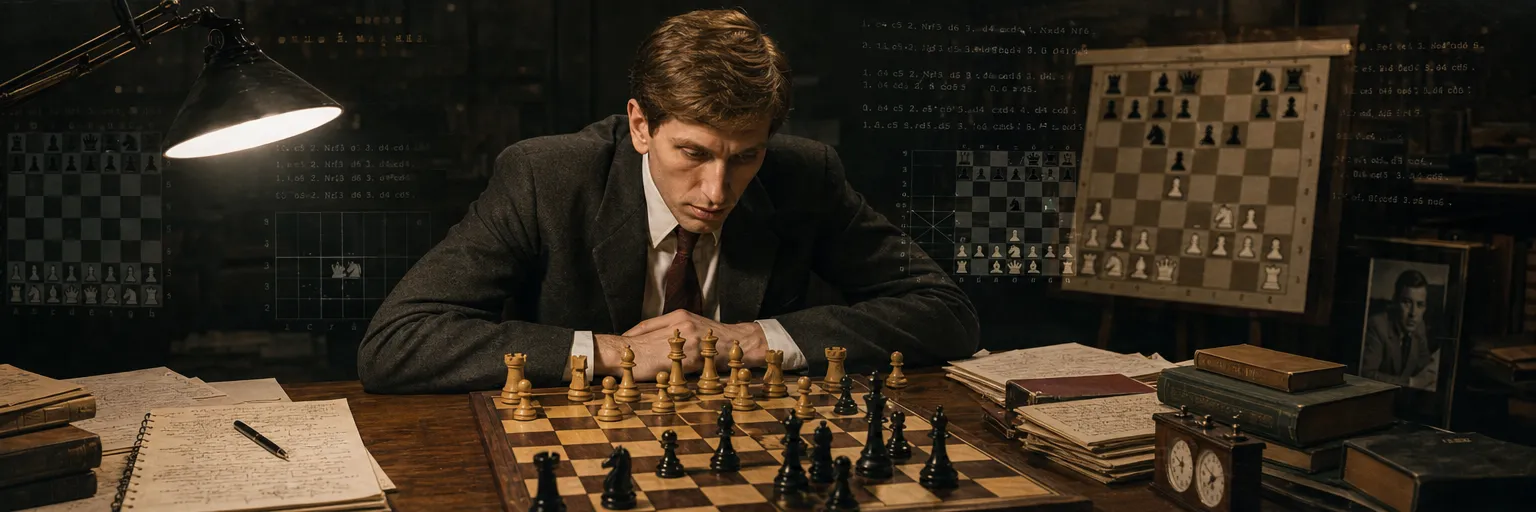
Bobby Fischer’s favorite openings and their legacy
In Bobby Fischer’s repertoire, the choice of the opening moves was far from a mere theoretical reflex: it was a field of domination, prepared with extraordinary rigor and placed at the service of clear, energetic, and ambitious play. His opening preferences reveal both his taste for the initiative and his confidence in sound structures, coherent plans, and sustained pressure. Even today, his ideas remain ever-present in modern opening theory.
The king’s pawn as a statement of intent
With the white pieces, Fischer remained famous for his loyalty to 1.e4. This first move perfectly matched his temperament: rapid development, direct struggle for the center, and immediate tactical possibilities. He enriched many lines of the Ruy Lopez, the Sicilian, and the French Defense by showing that deep preparation could be combined with a very concrete understanding of positions. His approach to chess openings with White was based on a simple idea: obtain an active position without unnecessary strategic compromises.
This consistency also contributed to his reputation as a formidable player in attack. Even in systems considered classical, Fischer found new resources, often based on better piece coordination rather than spectacular sacrifices. His use of 1.e4 thus influenced several generations of players seeking an ambitious and instructive repertoire.
The Sicilian Najdorf Defense, a symbol of his repertoire
With the black pieces against 1.e4, Bobby Fischer often made the Sicilian Najdorf Defense a major weapon. This opening suited his style perfectly: it allows unbalanced play, offers counterattacking chances, and demands extreme precision from the very first moves. Fischer excelled in it thanks to his theoretical memory, but above all because of his ability to understand typical plans better than his opponents.
His name remains particularly associated with certain Najdorf variations that he helped popularize at the highest level. By using them in decisive matches and elite tournaments, he showed that a dynamic defense could be played with almost scientific logic. His legacy in this opening remains immense, both in grandmaster practice and in contemporary analysis.
The King's Indian Defense and the determination to play for a win
Against 1.d4, Fischer also left a strong mark with the King's Indian Defense. Here again, his choice was no accident. This opening allows Black to concede space temporarily in order to prepare a vigorous response, often on the kingside. Fischer found in it an ideal battleground for creating imbalance while retaining rich positional patterns.
His way of handling these positions clearly illustrates his approach to top-level chess games: accepting certain structural tensions, then exploiting piece activity at the right moment. His interpretation of the King's Indian helped make this defense a prestigious choice for players seeking more than simple equality with Black.
Preparation that transformed the study of openings
Beyond his favorite moves, Fischer profoundly changed the way preparation was approached. His work on variations, his analytical rigor, and his refusal to accept approximations helped professionalize the study of the opening phase. He did not simply repeat known lines: he tested, refined, and challenged accepted evaluations, sometimes against general opinion.
This contribution goes far beyond his own career. Many players, from passionate amateurs to world champions, drew inspiration from his method. In this sense, Bobby Fischer’s legacy lies not only in a few famous systems, but in a demanding vision of the opening repertoire, conceived as a direct extension of style, discipline, and the will to win.
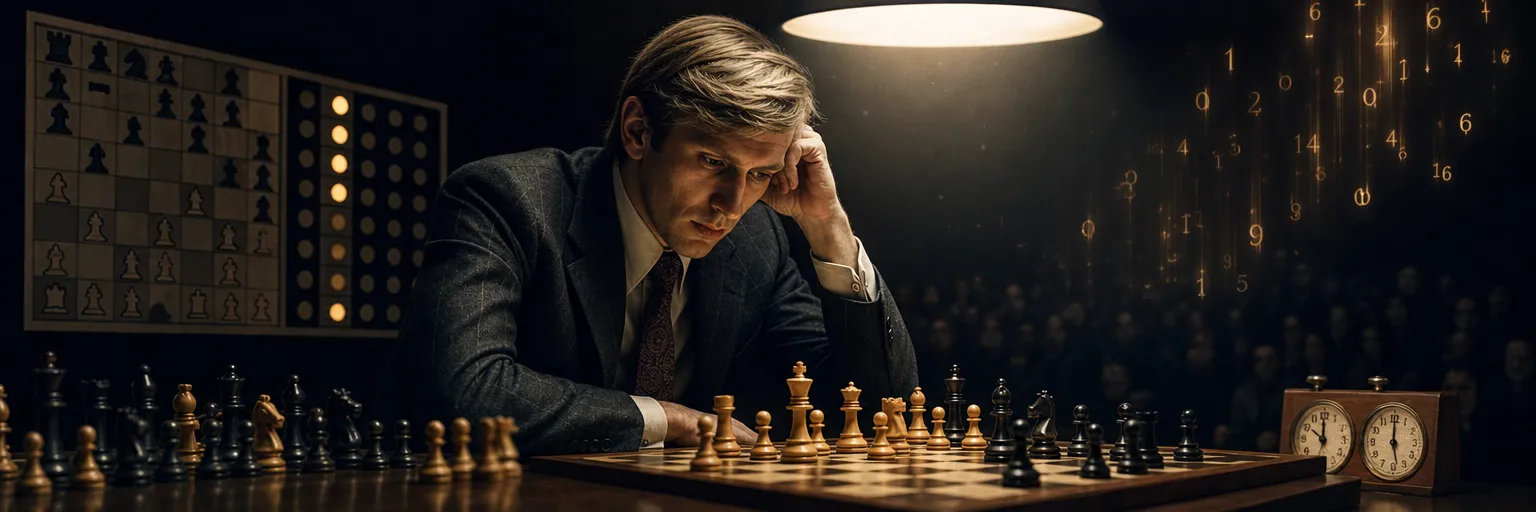
The records and standout performances of his career
Over the years, the figures associated with Bobby Fischer have taken on an almost mythical dimension. Far beyond his status as world champion, he achieved a string of results that redefined the standards of the chess elite. His career remains marked by records, impressive streaks, and individual performances that still fuel the reputation of the American genius today.
Precocity that left its mark on history
Among the first standout performances of his career, Bobby Fischer became United States champion at just 14 years old. This early triumph immediately confirmed the extent of his talent and made him one of the youngest players to prevail at such a national level. A few years later, he also earned the title of youngest grandmaster of his era, a feat that helped firmly establish his name in chess history.
This precocity was far from anecdotal: it heralded an extraordinary rise. Very early on, Fischer faced the best players in the world with rare confidence, while developing a level of preparation that already surpassed that of many established masters.
United States Championships dominated with authority
One of the most striking benchmarks of his career remains his domination of the United States Championship. Bobby Fischer won the event eight times, which constitutes a major achievement in a country with several leading players. But above all, it is the 1963-1964 edition that remains etched in memory: he achieved an incredible 11 wins in 11 games.
This perfect score, extremely rare at this level of competition, illustrates his absolute standards and his ability to maintain maximum intensity from the first to the last round. In the world of the game’s standout performances, this result remains one of the most impressive ever recorded in a high-level national championship.
An overwhelming path to the world title
The period leading up to his world coronation is undoubtedly when Bobby Fischer reached his statistical and competitive peak. During the 1970-1972 Candidates cycle, he produced a run that became legendary: he notably won 6 consecutive games at the end of the Palma de Mallorca Interzonal, then swept Mark Taimanov 6-0, before handing the same score to Bent Larsen.
Achieving two consecutive 6-0 victories in Candidates matches against opponents of that caliber is an almost unparalleled feat in the history of legendary games and great world title clashes. Even his next victory against former world champion Tigran Petrosian confirmed this exceptional superiority. At that precise moment, Fischer appeared to be the most formidable player on the planet.
One of the most impressive Elo ratings of his era
In terms of ranking, Bobby Fischer reached a level that deeply impressed his contemporaries. In 1972, he peaked at 2785 Elo, an immense total for the time, with a considerable gap over his rivals. This lead reinforced the idea that he was not merely winning: he was structurally dominating the international circuit.
At a time when competitions were particularly strong and the Soviet bloc ruled world chess, such a gap carried powerful symbolic weight. It highlighted the consistency of his results, the quality of his preparation, and his ability to defeat the best in extremely high-pressure contexts.
Achievements that fuel his legend
What truly sets Bobby Fischer apart is the combination of the scale of his results and the way they were achieved. National titles, precocity records, winning streaks against the elite, ascent to the top of the world rankings: each stage reinforced the image of an extraordinary champion. His career thus remains associated with a form of radical excellence, where raw performance meets historical significance.
Even today, these numbers and exploits serve as a benchmark whenever individual dominance at the highest levels is discussed. They explain why Bobby Fischer holds a special place in the collective memory of enthusiasts, somewhere between an exceptional career, a genius aura, and a lasting legacy.
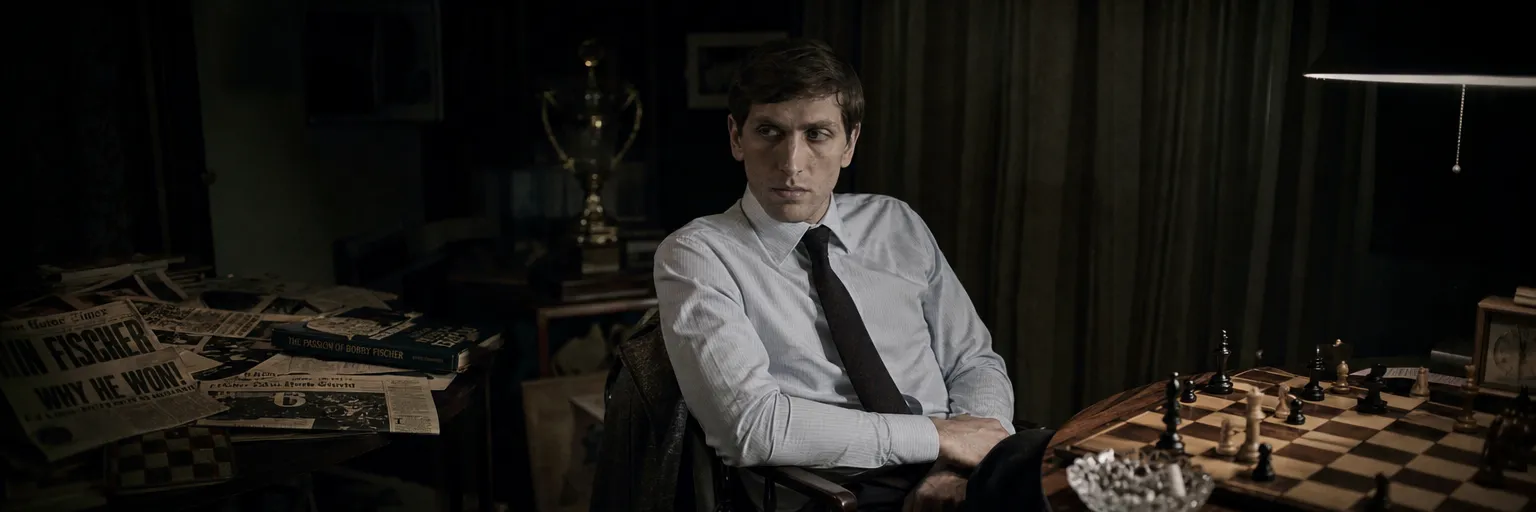
Bobby Fischer's complex personality off the chessboard
Outside of tournaments, Bobby Fischer emerges as a figure as perplexing as he is fascinating, whose personal life long fueled debate, concern, and misunderstanding. Behind the champion stands a solitary man, demanding to the extreme, driven by a need for control that extended far beyond the realm of chess. This dimension played a major role in shaping the legend of Bobby Fischer, just as much as his most dazzling victories.
A perfectionist and uncompromising temperament
For Fischer, perfectionism was not limited to the study of openings or match preparation. It also concerned playing conditions, the organization of competitions, noise in the hall, lighting, and even the presence of spectators. This uncompromising attitude, sometimes seen as provocation, above all revealed a personality incapable of tolerating anything less than exactness. For many observers, this obsession with detail was an integral part of the genius of Bobby Fischer, but it also complicated his relationships with officials, journalists, and even some of those close to him.
Isolation, mistrust, and a conflicted relationship with the world
Over the years, Bobby Fischer withdrew into a form of growing isolation. Distrustful of institutions, suspicious of those around him, and often at odds with social norms, he maintained a tense relationship with the outside world. This distance reinforced his image as an elusive, almost mythical figure in the whole history of chess. But it also helped push the former champion permanently away from the public stage, to the point that his appearances became rare and controversial events.
An image shaped by controversy
It is impossible to speak of Bobby Fischer off the chessboard without mentioning the many controversies that surrounded the end of his life. His statements, often outrageous and deeply shocking, tarnished the admiration inspired by his sporting career. This darker side is a reminder that immense talent erases neither personal excesses nor condemnable remarks. Thus, the figure of the world chess champion remains tied to a double legacy: that of an absolute master of the game, but also of a man whose excesses have permanently blurred his memory.
A character who continues to intrigue
If Bobby Fischer remains so present in stories devoted to the 64 squares, it is also because his personality defies simple portraits. Between an obsession with chess truth, psychological fragility, a need for recognition, and a rejection of established frameworks, he embodies a constant tension between greatness and rupture. This complexity still fuels analyses, biographies, and documentaries devoted to the Bobby Fischer myth, proof that his impact extends far beyond his most legendary games.
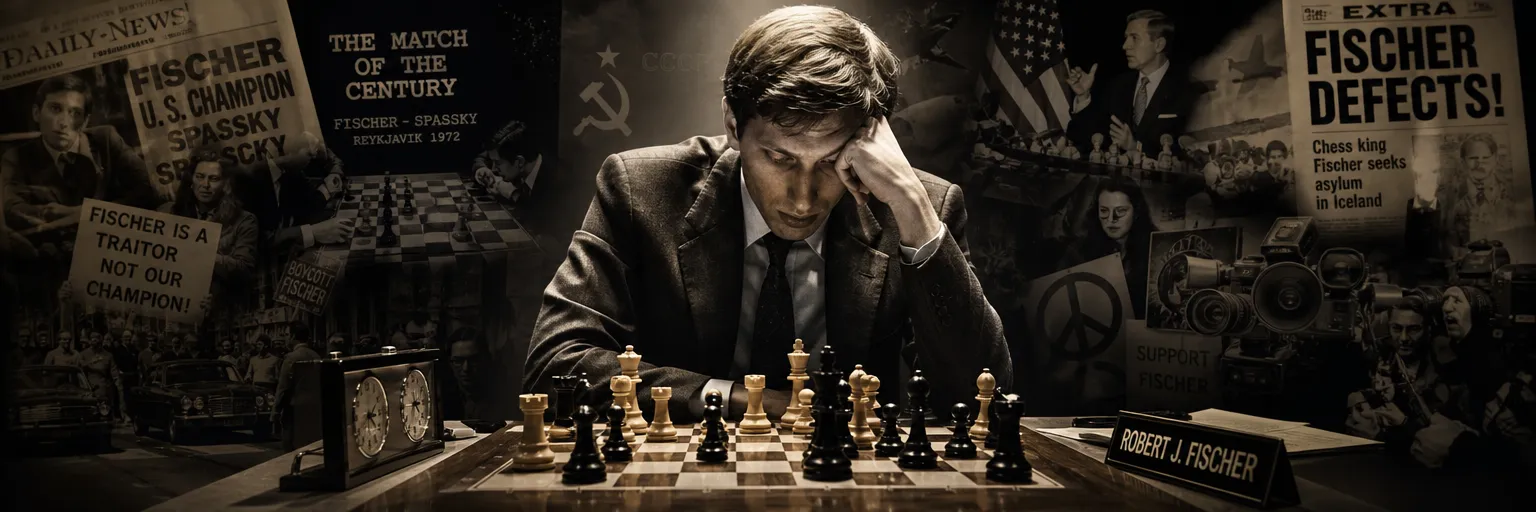
The controversies that marked Bobby Fischer's life
It is impossible to completely separate the American champion's path from the controversies that gradually came to surround his public image. Behind the chess genius, Bobby Fischer also left the memory of a man in conflict with institutions, the media, and sometimes with the world itself. These tensions helped forge an ambiguous legend, where admiration for the player coexists with deep discomfort over some of his choices and statements.
Tense relations with organizers and governing bodies
From his great competitive years onward, Bobby Fischer stood out for his strict demands regarding playing conditions, schedules, noise in the hall, and even prize distribution. Several observers saw in this both a sign of extreme perfectionism and chronic distrust toward chess authorities. His repeated clashes with FIDE largely fueled his reputation as an unmanageable man, although some defenders believe he also helped advance professionalism in chess.
The 1975 forfeit and the break with the chess world
One of the most commented-on episodes remains his refusal to defend his world title in 1975 against Anatoly Karpov. Fischer then set out a series of conditions concerning the match format, partly rejected by FIDE. His forfeit caused a seismic shock: the reigning world champion virtually disappeared from the competitive scene at the height of his glory. For many, this decision fed the Bobby Fischer myth just as much as it fueled the frustration of a career cut short too soon.
The controversial return of 1992
After twenty years of silence or almost, his return for the rematch against Boris Spassky in 1992 sparked intense controversy. Organized in Yugoslavia despite the international sanctions then in force, this encounter placed Fischer in an explosive political and legal situation vis-à-vis the United States. By openly defying the American authorities, he turned a sporting event into a diplomatic affair, further reinforcing the image of an elusive and provocative figure.
Public statements that became indefensible
The darkest part of his legacy remains tied to his antisemitic, conspiratorial, and violently outrageous statements in several interviews at the end of his life. These remarks shocked far beyond the circle of Bobby Fischer enthusiasts and deeply tarnished the champion’s memory. They serve as a reminder that admiration for his work on the chessboard cannot erase the seriousness of statements widely condemned for their hatred and radicalism.
As brilliant as he was disturbing
The controversies surrounding Bobby Fischer go a long way toward explaining why his name still provokes such mixed reactions today. On the one hand, he remains an absolute benchmark for his vision of the game, his preparation, and his legendary matches; on the other, his personal journey and public positions call for a more critical reading. It is this duality, between sporting greatness and personal decline, that makes his fate as fascinating as it is troubling in the history of chess.
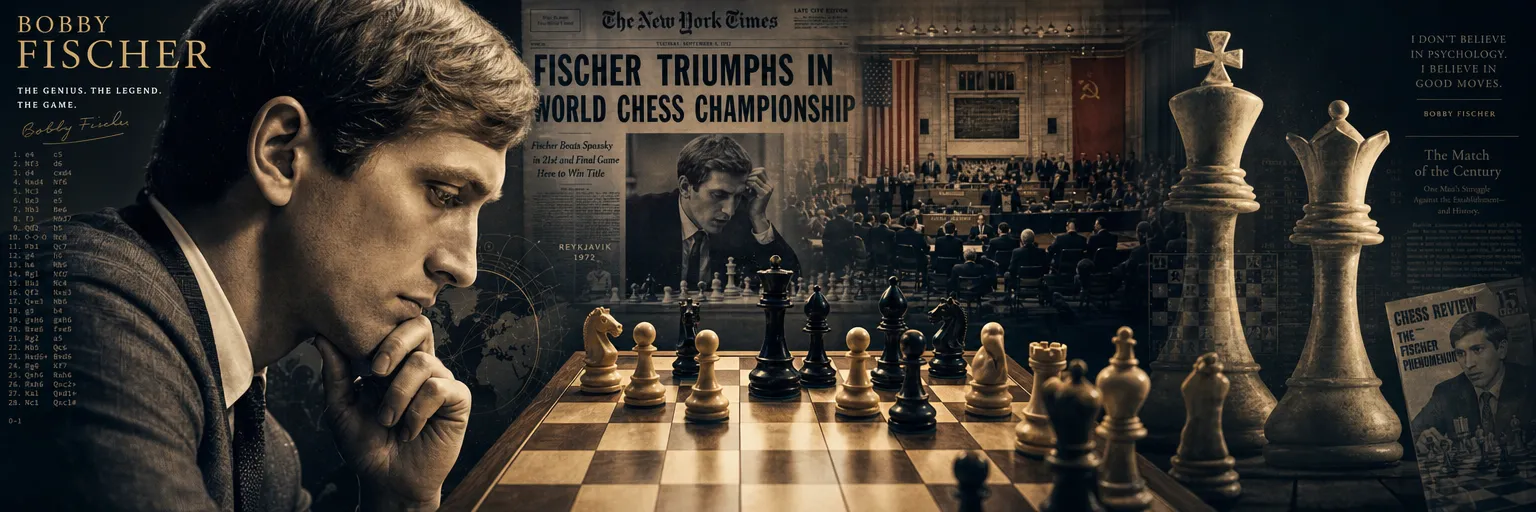
Bobby Fischer’s lasting legacy in the history of chess
Far beyond his titles, Bobby Fischer left a profound mark on the way top-level chess is thought about, prepared for, and lived. His career redefined the standards of individual excellence while giving the game a level of global visibility rarely reached before. Even today, his name remains associated with absolute rigor, formidable creativity, and an almost obsessive quest for truth on the chessboard.
A revolution in modern preparation
Fischer helped permanently transform the working methods of elite players. His methodical study of openings, his attention to endgames, and his ability to push analysis very far inspired entire generations. In this respect, Bobby Fischer stands out as one of the great forerunners of modern preparation, where nothing is left to chance and every detail can tip the balance in a very high-level game.
A champion who changed the perception of the game
His world title win against Spassky did not merely mark sporting history: it also brought chess into a new media dimension. Thanks to him, the world chess champion became, for the general public, a figure capable of embodying intelligence, determination, and the dramatic tension of a duel all at once. This increased popularity helped drive the growth of clubs, specialized books, and international interest in major competitions.
An influence still visible among grandmasters
Many champions have acknowledged the importance of his legacy, whether in terms of his initiative, positional clarity, or tactical precision. Studying Fischer’s legendary games remains an almost essential step in understanding the mechanisms of domination on the chessboard. His style continues to be admired because it combined apparent simplicity with extreme depth, a rare combination in the history of chess.
The legacy of Fischer Random Chess
His legacy is not limited to his classical achievements. By introducing Fischer Random Chess, also known as Chess960, he also sparked lasting reflection on creativity and the fight against excessive memorization of opening lines. This idea reflects the strength of Fischer’s genius: even after his active career, he was still seeking to preserve the combative and inventive essence of the game.
An enduring legend despite the controversies
Fischer remains a complex figure, sometimes difficult to separate from his views and excesses. Yet, from a purely chess perspective, his influence remains immense. His name continues to symbolize extraordinary ambition, exceptional rigor, and a unique ability to push the boundaries of what is possible. In the history of the 64 squares, Bobby Fischer therefore occupies a place of his own: that of a master whose shadow still inspires today’s champions.
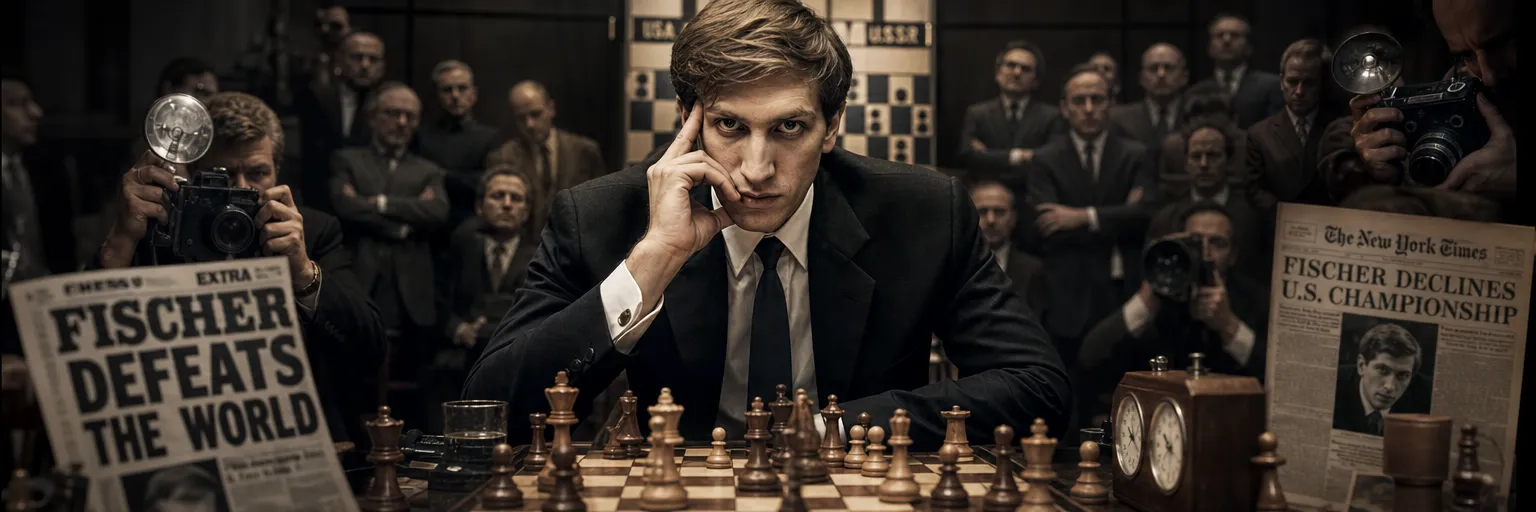
Why Bobby Fischer still fascinates chess enthusiasts today
Decades after his greatest achievements, the name Bobby Fischer continues to spark curiosity, admiration, and debate. This lasting fascination stems as much from the power of his journey as from the singularity of his aura: he embodies both the absolute champion, the obsessive worker, the formidable theoretician, and the elusive figure in chess history.
A champion who goes beyond mere achievements
For many enthusiasts, Bobby Fischer is not simply a former world champion. He symbolizes a major turning point in the history of the game, particularly through his ability to challenge Soviet domination almost single-handedly. This heroic dimension still fuels interest today in his career, his matches, and his willingness to take risks on the chessboard.
His meteoric rise, extreme standards, and level of preparation helped build a rare image: that of a player capable of turning a game into a demonstration of willpower and precision. For many, he remains one of the greatest figures of competitive genius applied to chess.
Games that remain reference points for study
If his myth remains so alive, it is also because his greatest games continue to be analyzed by players of all levels. Fischer’s legendary games captivate with their clarity, energy, and internal logic. They create the impression that a simple idea can, in exceptional hands, produce an irresistible attack or a masterful endgame.
Coaches, content creators, and enthusiasts often return to his victories against elite opponents to illustrate essential themes: initiative, piece coordination, tactical precision, and the conversion of advantages. In this sense, Bobby Fischer’s legacy remains profoundly educational.
A personality that still fuels debate
The fascination he inspires does not stem solely from his sporting success. His personal journey, marked by withdrawal, controversies, and shocking statements, helped make him a complex figure. This tension between admiration for the player and discomfort with the man sustains constant attention around his name.
In the collective imagination, Bobby Fischer thus embodies a form of paradox: a mind regarded as exceptional on the chessboard, yet deeply troubled off it. This duality reinforces his status as a singular character, regularly rediscovered by each new generation of enthusiasts.
An influence visible even in modern chess
Even in the era of analysis engines and computer preparation, Fischer’s imprint remains tangible. His high standards of professionalism, his rigorous approach to openings, and his determination to play for a win have shaped top-level chess culture. His name also remains associated with Fischer Random, proof that his influence extends beyond his own era.
Ultimately, if Bobby Fischer still captivates, it is because he brings together in a single journey excellence, mystery, historical rupture, and the beauty of the game. Few champions have left such a deep mark on the collective memory of chess enthusiasts.
Bobby Fischer’s genius profoundly transformed the world of chess, notably through his incredible rise and his games that became legendary. After his withdrawal from the circuit, a new champion would establish himself through his positional style and exceptional strategic mastery: Anatoly Karpov: the master of chess strategy, one of the greatest Soviet players of all time.
Also dive into our complete series devoted to the grandmasters and champions who have shaped the evolution of chess across generations: Famous chess players: legends, champions, and modern stars.