
 France
 English
 Deutsch
 Español
 Italiano
 Nederlands
 Polski
 Português
Chessboards
Browse our chessboards by material, square size, style, and use case to compare practical tournament boards, travel-friendly roll-up formats, elegant wooden chess boards, and premium display options in one place. Whether you need a board for everyday play, club use, gifting, or home decor, this selection makes it easier to narrow down the right format for your space, budget, and playing habits.
You can also shop by square size to match an existing set, with simple guidance for piece compatibility based on king base diameter and board proportions. From vinyl, silicone, and mouse pad boards to veneer, solid wood, marble, and electronic options, each type offers different advantages in durability, portability, maintenance, and overall look.
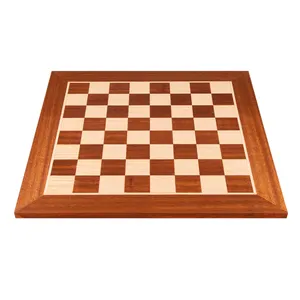
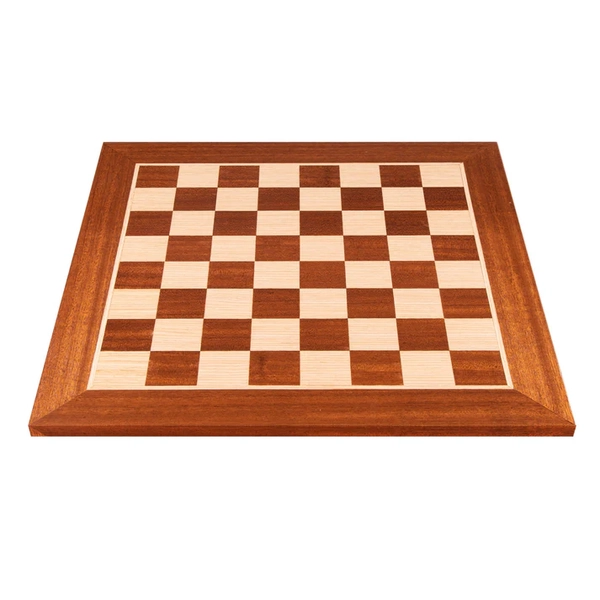
Size 5 Mahogany Chessboard
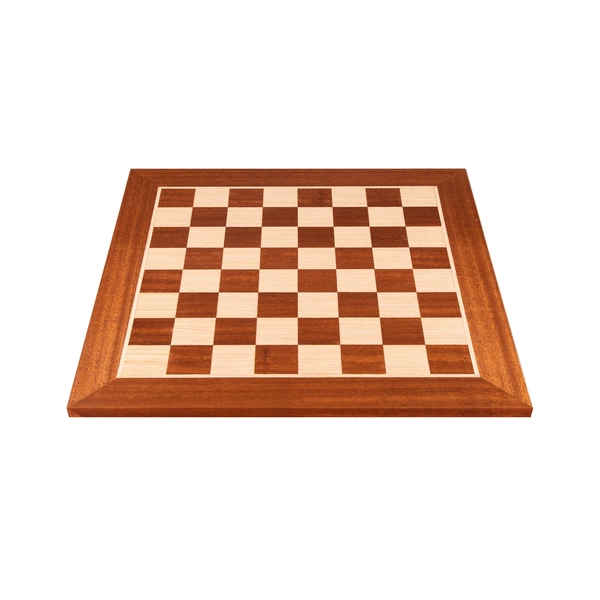
Size 4 Mahogany Chessboard
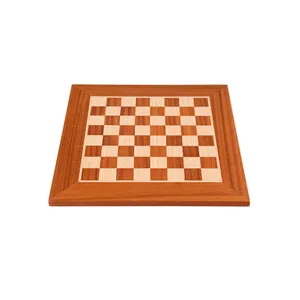
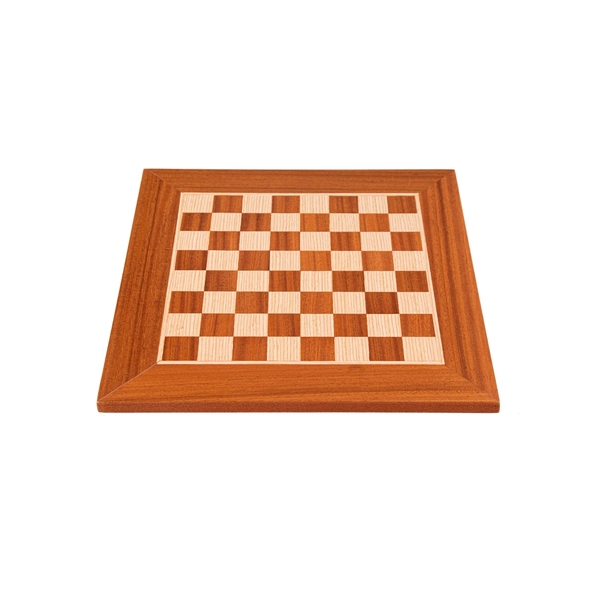
Small Mahogany Chessboard
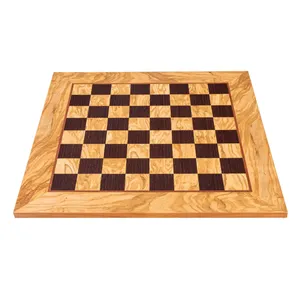
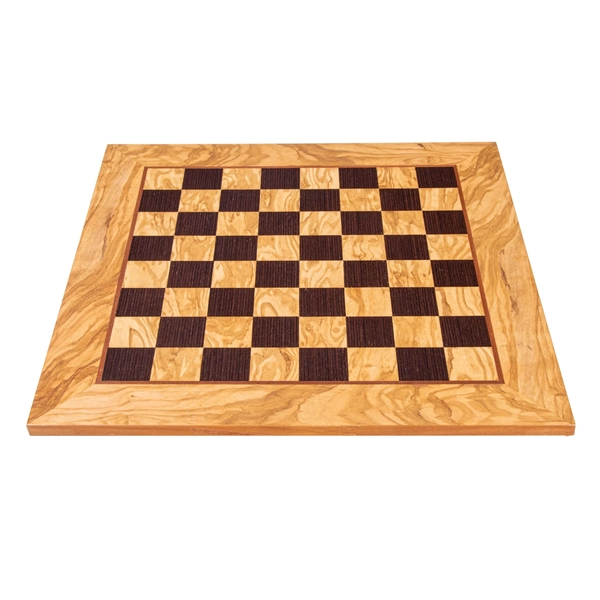
Olive Wood Chessboard Size 5
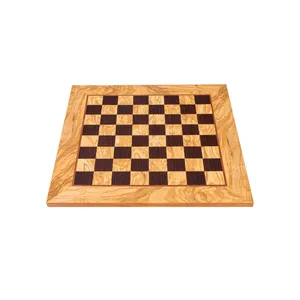

Olive Wood Chessboard Size 4
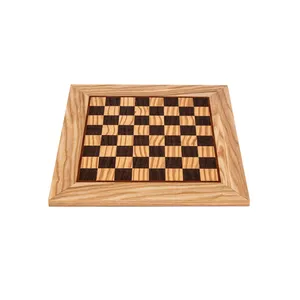
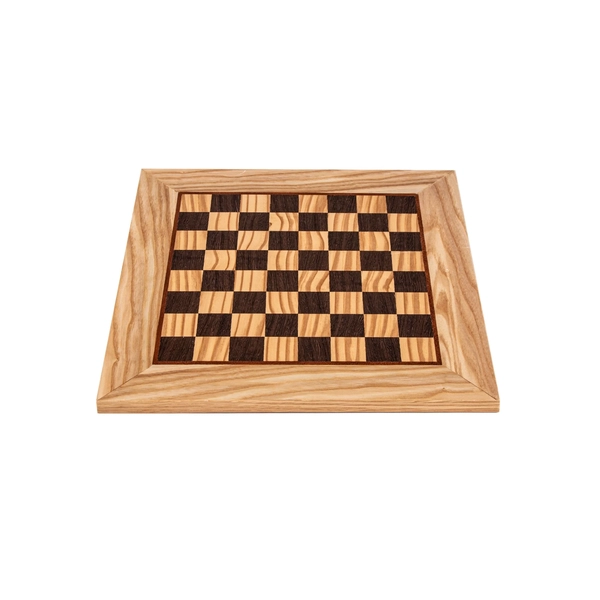
Small Olive Wood Chessboard
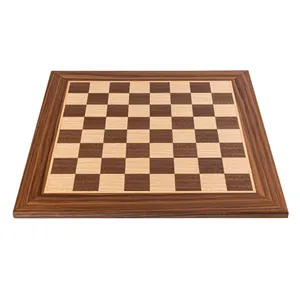
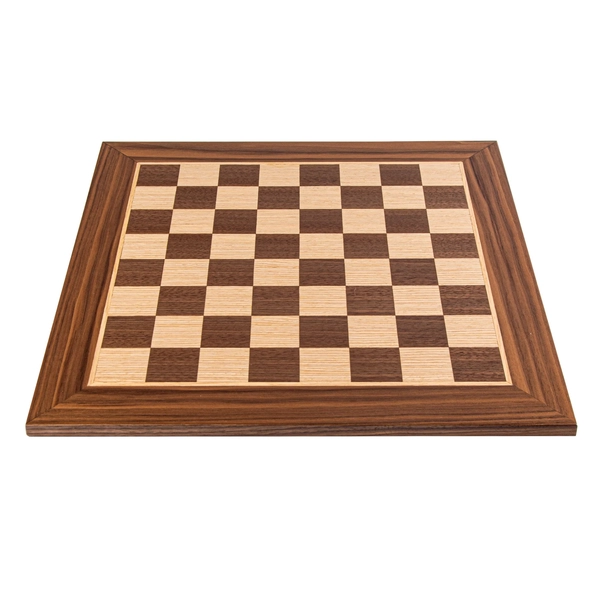
Walnut Chessboard Size 5
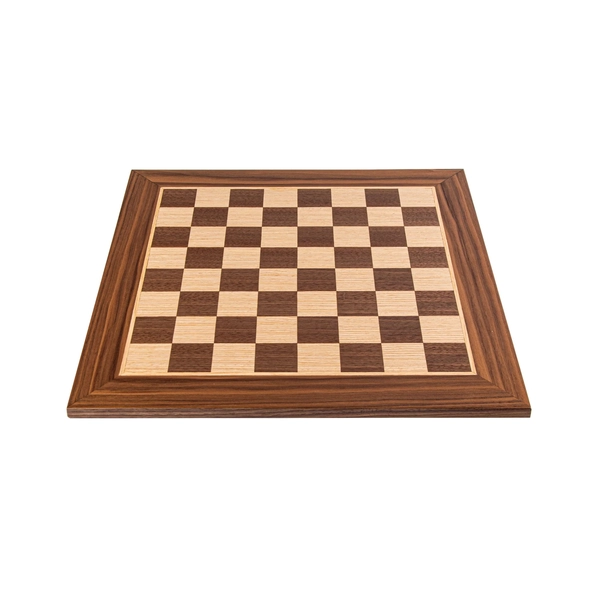
Walnut Chessboard Size 4
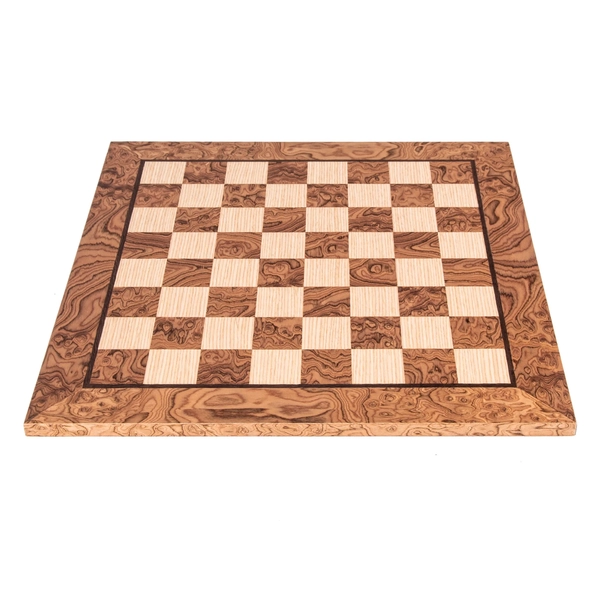
50 cm Walnut Chessboard
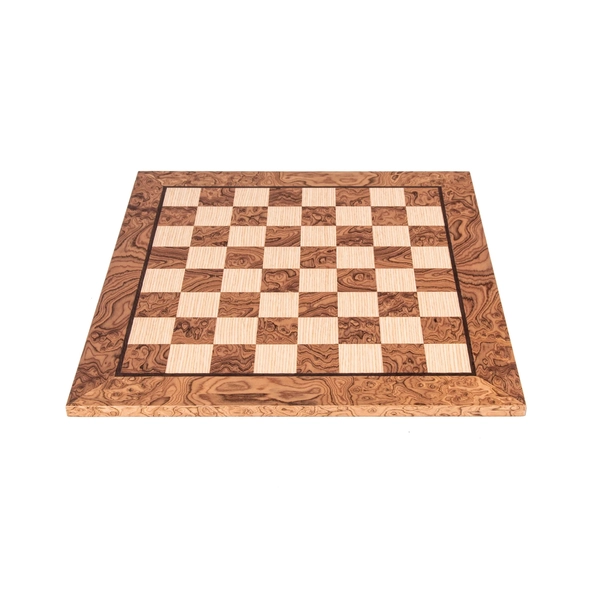
40 cm Walnut Chessboard
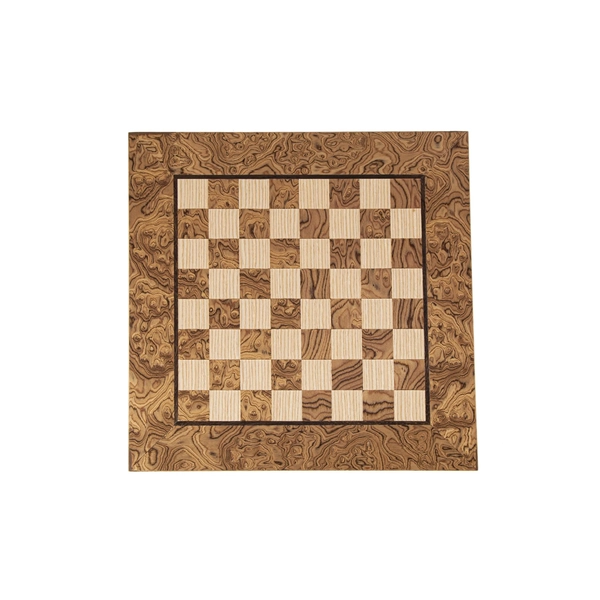
Small Walnut Chessboard
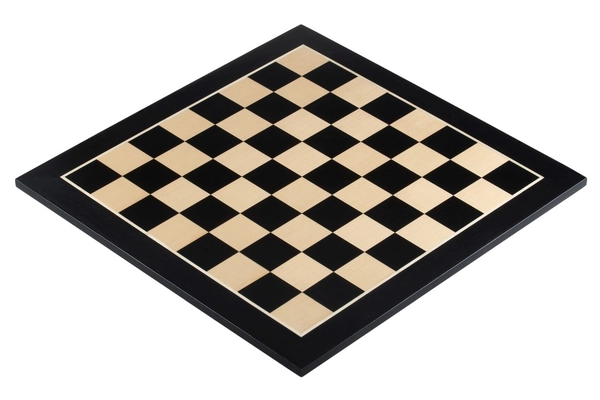
Size 6 Black Maple Chessboard
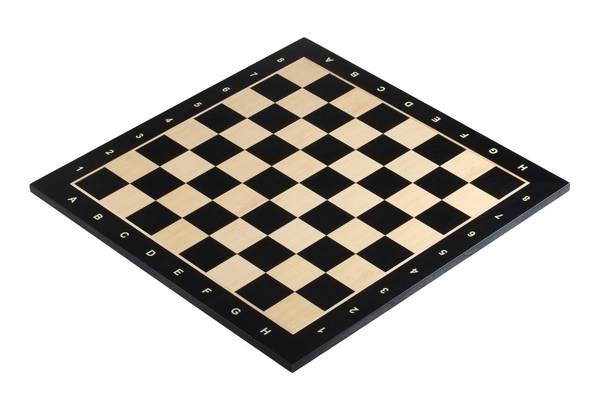
Black Maple Chessboard Size 4 with Coordinates
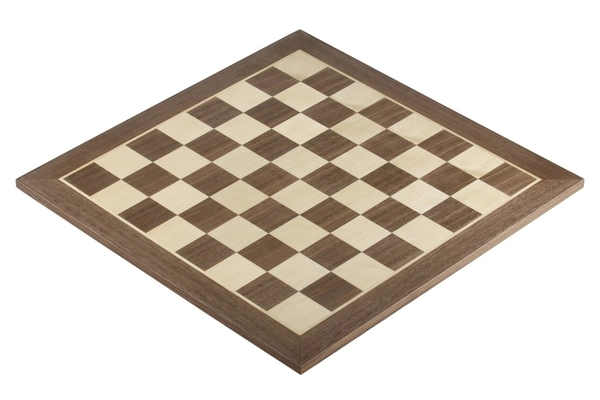
Size 6 Walnut and Maple Wood Chessboard
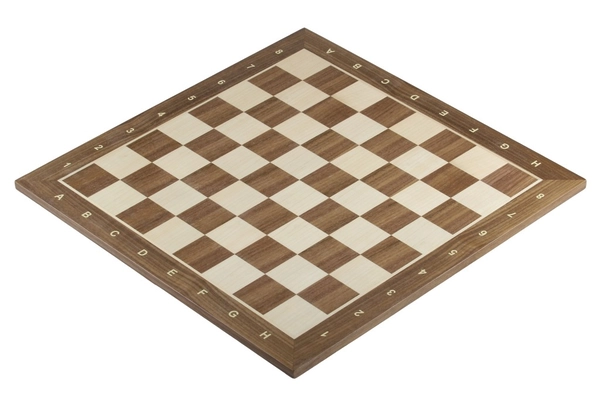
Size 6 Walnut Chessboard with Coordinates
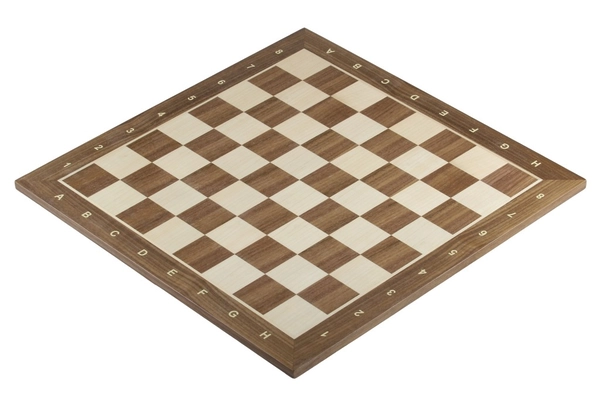
Size 4 Walnut Chessboard with Coordinates
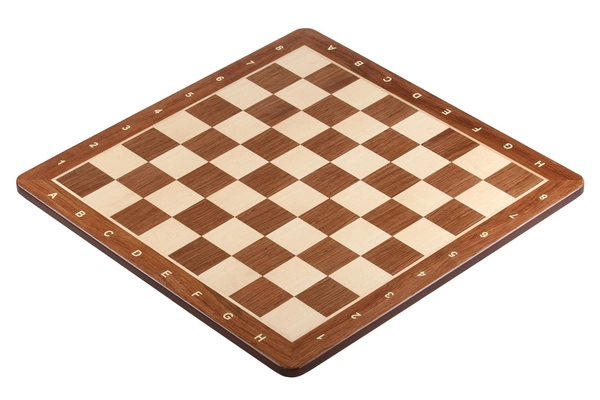
Size 5 Mahogany Chessboard with Coordinates
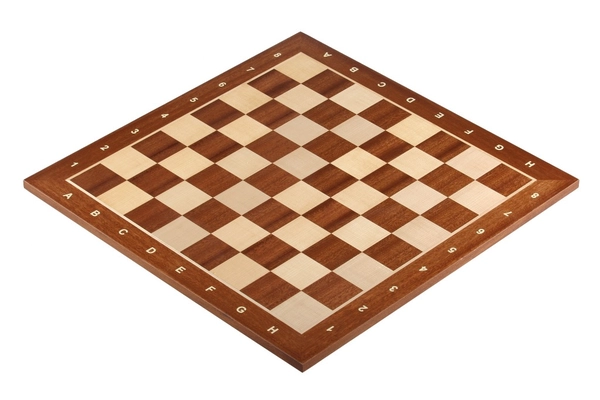
Size 4 Mahogany Chessboard with Coordinates
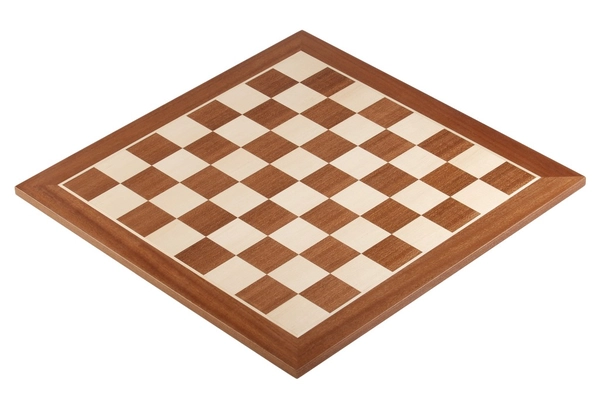
Size 5 Mahogany and Maple Wooden Chessboard
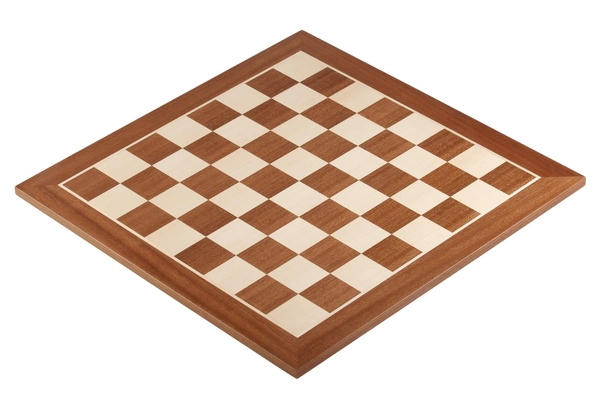
Size 4 Chessboard in Mahogany and Maple Wood
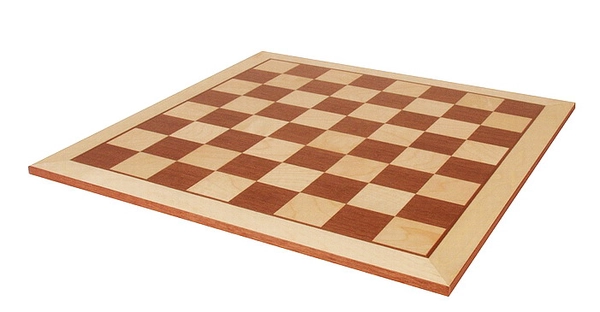
Light Wood Chessboard
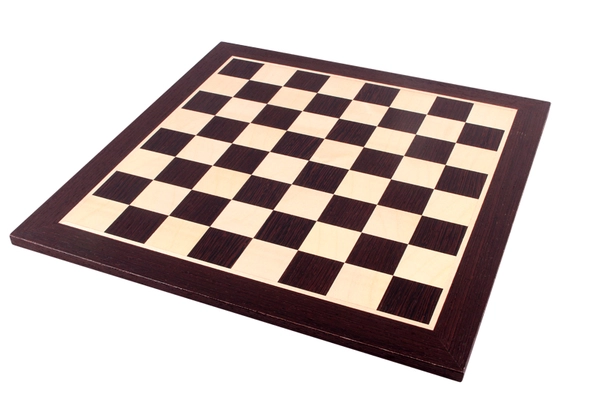
Modern Size 5 Chessboard
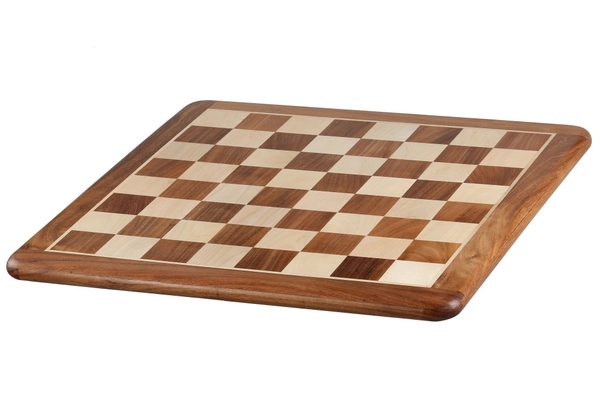
Solid Wood Chessboard
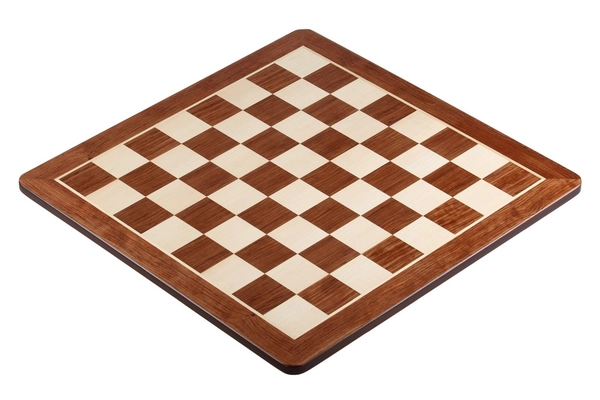
Rounded chessboard
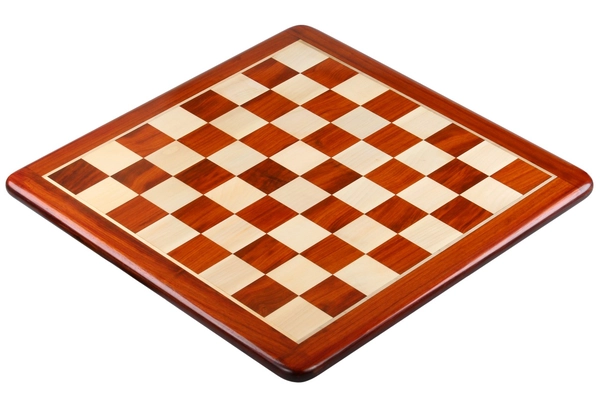
Premium Wooden Chessboard Size 6
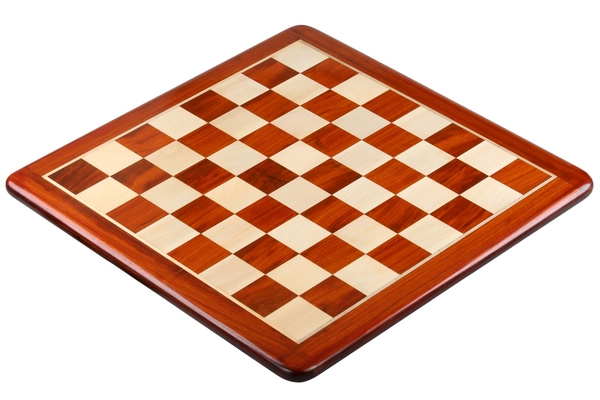
Precious Wood Chessboard
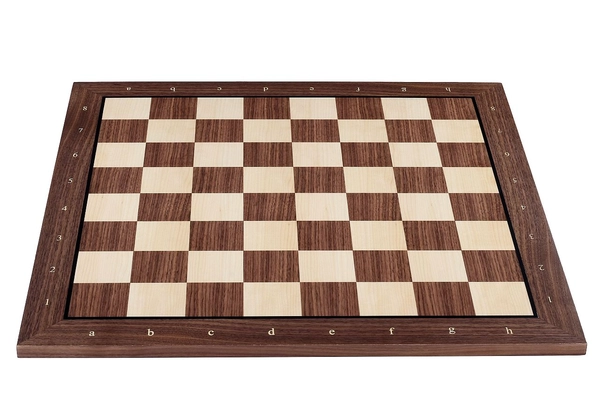
Wood Marquetry Chessboard
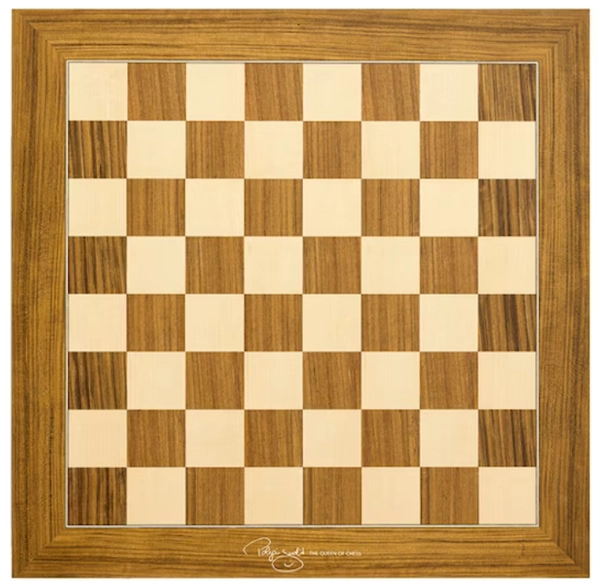
Judit Polgar Chessboard
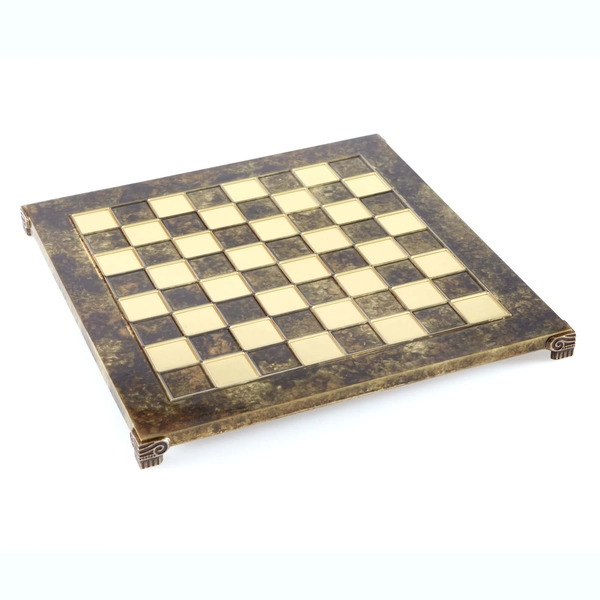
Brass Chessboard Size 5
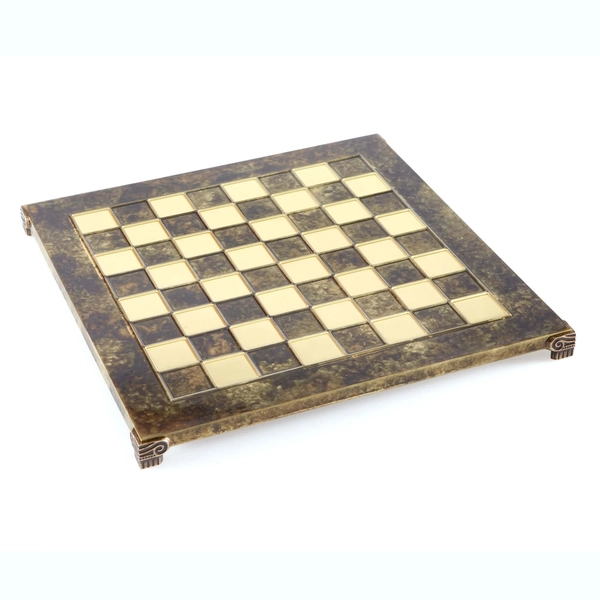
Bronze Chessboard Size 4
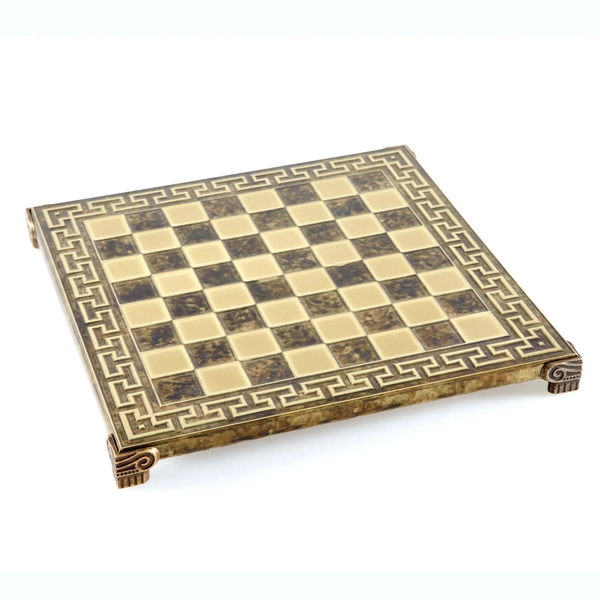
Greek Metal Chessboard
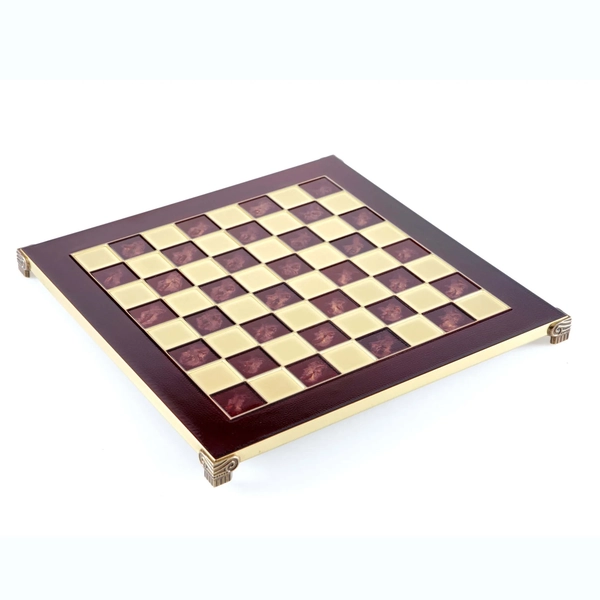
Red Chessboard Size 5
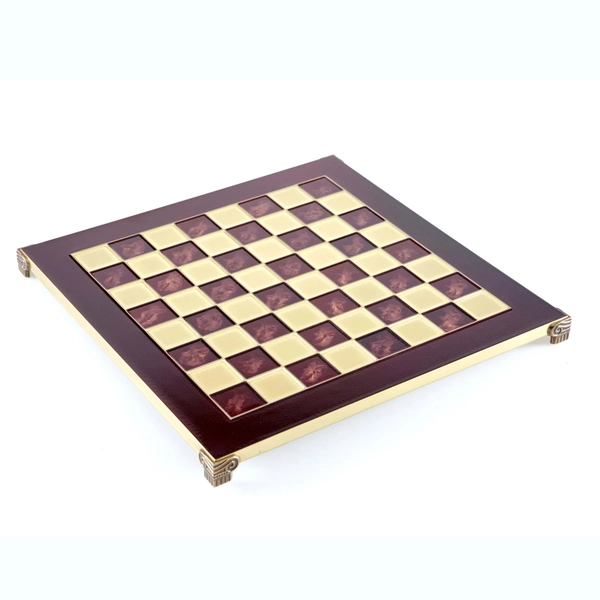
Ruby Chessboard Size 4
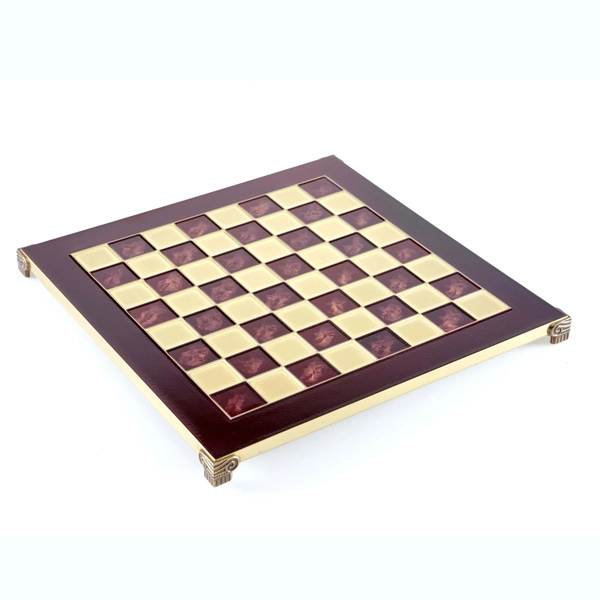
Small Metal Chessboard
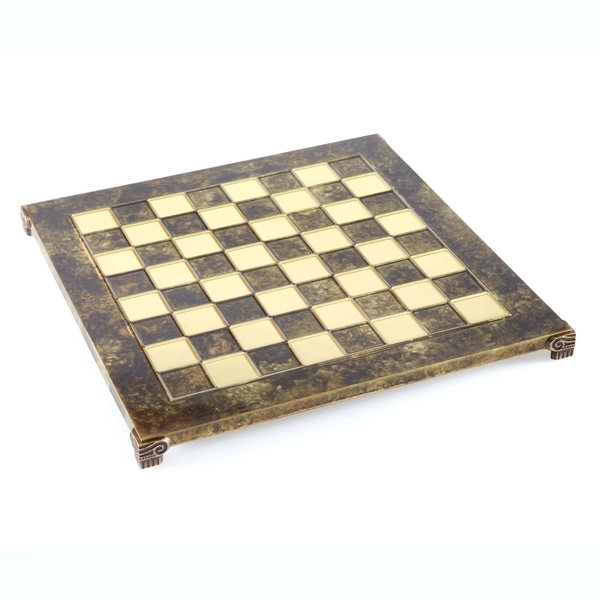
Large Bronze Chessboard
How to Choose the Right Chessboard Size
The most important size detail on chessboards is the square size, because it determines how well your pieces fit and how comfortable the board feels in play. A simple rule is to match the king’s base diameter to around 75% to 80% of one square, so pieces sit securely without looking crowded. If you already own pieces, measure the king base first, then filter boards by square size to find a compatible match.
Compact boards work well for casual games, smaller tables, travel, or analysis, while standard sizes suit most home play and everyday sets. Larger boards are often preferred for display, luxury sets, or tournament-style use where you want more space between pieces and a clearer overall look. If you are shopping for a full setup, matching wooden chess boards or tournament boards with the right pieces will give you the best balance of appearance and playability.
When browsing this collection, use square size and intended use as your main filters. That makes it easier to compare boards for home, club, classroom, or competitive play, and to quickly narrow down options that fit your existing pieces or the type of set you want to build.
Chessboard Materials Compared
Wood chess boards are the classic option for home play, display, and gifting, with a warmer feel and a more decorative finish than practical roll-up boards. Veneer boards usually give you the look of premium wood at a lower price and lighter weight, while solid wood boards tend to feel heavier and more substantial. Marble boards are more luxurious and decorative still, but they are also the heaviest and least portable, making them better for display spaces than everyday travel or club use.
For regular play outside the home, vinyl chess boards are a popular tournament and school option because they roll up easily, store well, and are affordable to replace. Silicone boards offer similar portability with better grip and crease resistance, which helps them lie flatter on the table. Mouse pad boards add a softer, cushioned feel and usually stay very flat, making them a strong pick for analysis, casual play, and travel. Paper boards are the most economical and lightweight, but they are less durable for long-term use or repeated transport.
If you are comparing chessboards by use case, wood and marble suit display, collectors, and gift buyers, while vinyl, silicone, mousepad, and paper boards are easier for clubs, classrooms, tournaments, and travel bags. The right material depends on how often you play, how much portability you need, and whether you want a practical board for regular use or a more refined board for presentation and home decor.
Wooden, Luxury, and Decorative Chessboards
Wooden chess boards are a popular choice for home play, display, and gifting because they balance traditional look, solid feel, and piece compatibility. In simple terms, veneer boards use a thin decorative wood surface over a stable core, which keeps cost and weight lower while still giving a refined finish. Solid wood boards use hardwood throughout, often feel heavier and more substantial, and appeal to buyers who want a more furniture-like piece for long-term display or collecting.
When comparing wood chess boards, look at the finish, edge detail, board thickness, and wood species rather than price alone. A practical everyday board usually focuses on clean squares, reliable flatness, and easy pairing with existing pieces. Luxury chess boards often add decorative borders, handcrafted details, richer grain contrast, exotic hardwoods, or inlaid patterns that make them stand out on a coffee table, desk, or display shelf. If the board is mainly for regular games, a simpler wooden model is often the smarter fit; if it is also meant to impress, premium finishing matters more.
For gifting, collecting, or formal interiors, decorative chessboards in walnut, maple, rosewood, ebony-look, or marble-inspired finishes create a more elevated presentation. For everyday use, many shoppers prefer a classic wooden board that offers the warm appearance of real wood without the added weight or upkeep of a true showpiece. Filter by material, square size, and finish to compare practical wooden boards with premium display-focused options that match your pieces and your setting.
Tournament, Portable, and Electronic Chessboards
If you need a board for regular play, clubs, or school use, start with tournament chess boards and analysis formats. These are designed for clear visibility, practical handling, and easy pairing with standard tournament pieces, often with notation around the edges for recording moves and study. They are a smart fit for competitive practice, classroom sessions, and players who want an official-style setup without moving into decorative or luxury boards.
For travel and compact storage, compare foldable boards with roll-up vinyl chess boards, silicone boards, and mouse pad chess boards. Vinyl and silicone are especially popular for clubs and casual play because they store easily and handle frequent use well, while mouse pad boards lie flatter on the table and feel more stable during everyday games. If portability matters most, look for lightweight formats that fit a bag or drawer; if comfort matters more, choose a surface that stays flat and keeps pieces steady.
For training and modern play setups, electronic chess boards add connected features that can support analysis, digital play, or interactive learning, depending on the model. You may also find custom printed, personalized, or branded boards for events, gifts, schools, or club identity. Filtering this collection by format, material, notation, and intended use is the fastest way to narrow down the right board for competition, travel, study, or display.
Chessboard Care and Everyday Practicality
Everyday upkeep depends mostly on material. Wooden chess boards look warm and refined, but they prefer a dry room, gentle dusting, and occasional polishing with a wood-safe cloth; avoid heat, moisture, and direct sun that can affect the finish over time. Vinyl and silicone boards are much easier to wipe clean after club or classroom use, while marble boards need a soft cloth and careful handling because of their weight and rigid surface.
For practical use, think beyond appearance. Vinyl chess boards and silicone roll-up boards are ideal for schools, tournaments, and travel because they store easily and handle frequent setup well. Mouse pad boards lie flatter than paper and stay portable, making them a strong option for casual play and analysis. Wood boards suit home play, gifting, and display, especially if you want a board that pairs well with existing pieces, while marble is better for decorative settings than everyday carrying.
The right chessboard is the one that fits your routine: lightweight and low-maintenance for clubs and travel, or heavier and more decorative for home and display. If you want less upkeep, portable materials are often the simplest. If you want a more premium look, wood offers the best balance of presentation and regular play. Filtering by material, format, and intended use is often the quickest way to narrow down a board that will stay practical long after purchase.
FAQ
What size chessboard do I need for my chess pieces?
The most important measurement is square size, not just the overall board dimensions. As a simple rule, your king base should cover about 75% to 80% of one square for a comfortable fit and clear play.
Compact boards work well for smaller pieces, travel, or casual analysis. Standard and larger chessboards are usually better for home play, display, and tournament-style setups. If you already own pieces, filter by square size to find a board that matches them properly.
How do I match square size to king base diameter?
Measure the diameter of your king base, then choose a square size that is slightly larger. A good guide is for the king base to take up around three quarters of the square, which helps pieces look balanced and makes moves easier to play.
For example, pieces with broader king bases usually need larger squares, while slimmer tournament-style pieces can fit well on smaller ones. If you are unsure, choose square size first and then compare it with your king base measurement before buying.
What is the difference between a veneer and solid wood chessboard?
A veneer board has a thin layer of real wood over a core material, while a solid wood board is made from hardwood throughout. Veneer is often more affordable, more stable against warping, and a smart choice for everyday use when you want the look of wood at a lower price.
Solid wood wooden chess boards usually feel heavier and more premium, and they are often chosen for display, collecting, or gifting. Both can be excellent options, so the right choice depends on your budget, how often you play, and whether you want a practical board or a more luxury finish.
What is the best chessboard for tournament play?
For tournament use, many players prefer boards with clear contrast, practical durability, and notation around the edges. Vinyl, silicone, and mouse pad styles are popular because they are easy to carry, simple to store, and well suited to clubs, schools, and regular competitive play.
If you want an official-style setup, look for tournament chess boards with regulation-friendly square sizes that match standard tournament pieces. For home events or a more refined look, some wooden boards also work well, but portable materials are usually the most practical choice.
Can I buy a chessboard that matches my existing pieces?
Yes, many shoppers buy a board on its own to pair with pieces they already own. The key is to match the square size to your king base diameter so the set looks balanced and remains comfortable to play.
When comparing chessboards, check the listed square size, overall board dimensions, material, and whether you want a home, travel, or display option. If you are between sizes, choosing the board that best fits your largest piece is usually the safest option.
Whether you need wooden chess boards for home display, tournament chess boards for regular play, or a portable roll-up option for clubs, schools, or travel, the right choice comes down to square size, material, and how you plan to use it. Filter our chessboards by size, finish, and format to find a board that fits your pieces comfortably, suits your budget, and feels right for everyday play or gifting.