 France
 English
 Deutsch
 Español
 Italiano
 Nederlands
 Polski
 Português
Chess Clocks
Shop chess clocks for tournament, club, school, and home play, with practical options ranging from simple analog models to advanced digital chess clocks with increment, delay, bonus, and other competition-ready timing modes. This collection makes it easy to compare trusted brands such as DGT, Chronos, ZMart, and BHB by format, budget, and everyday usability.
Whether you need a tournament-suitable timer with clear presets and fast setup or a straightforward game clock for casual play, you’ll find models built for different levels, settings, and preferences. You can also browse accessories like carrying bags and replacement parts to keep your setup ready for regular use.
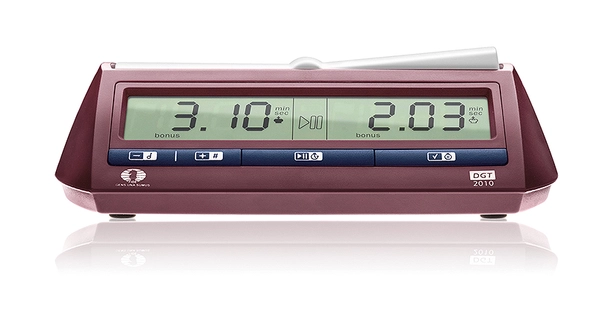
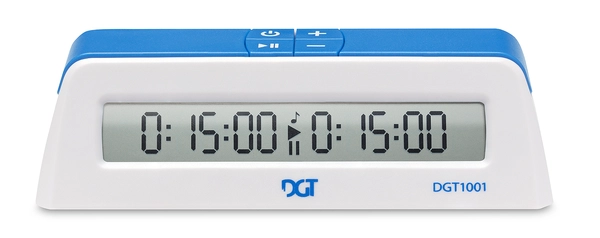
How to Choose the Right Chess Clock
Start by matching the clock to where and how it will be used. For tournaments, look for digital chess clocks with clear presets, easy programming, and timing modes used in competitive play. For clubs and schools, durability, simple setup, and readable displays matter most when many players share the same equipment. For home games, you may prefer a straightforward timer that is quick to learn and easy to store between sessions.
If you are buying for a beginner, focus on simple controls, a clear screen or dial, and buttons that feel natural to press during play. More experienced players often want tournament timers with increment, delay, and reliable memory settings. It also helps to compare portability, battery needs, and construction, whether you want lightweight plastic for travel or a sturdier build for regular club use.
To narrow the collection faster, shop by format, use case, or brand. Explore analog chess clocks if you want a classic, less technical option, or browse tournament-ready and brand-specific models from names such as DGT, Chronos, ZMart, and BHB when feature sets and official suitability matter more. This makes it easier to filter by play level, setting, and preferred clock type without sorting through clocks that do not fit your game.
Digital vs Analog Chess Clocks
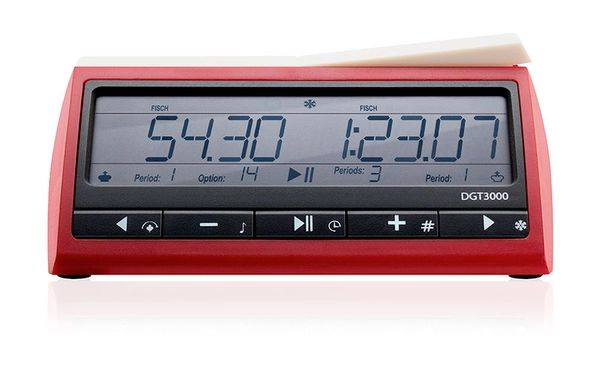
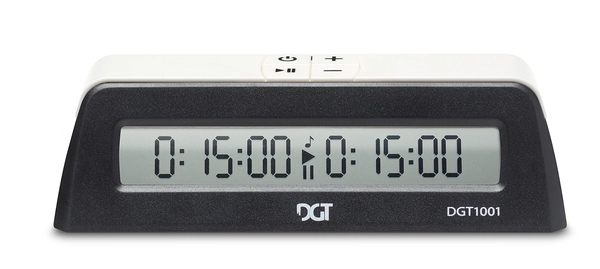
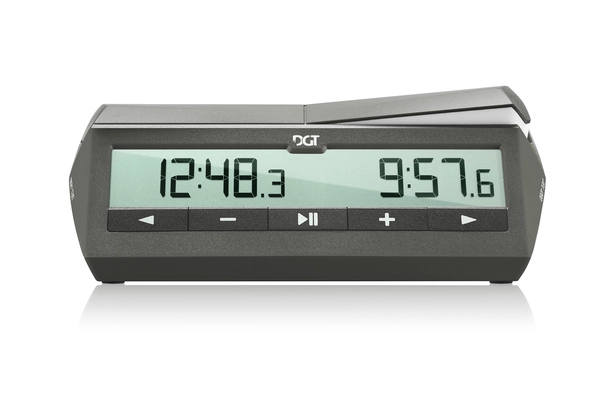
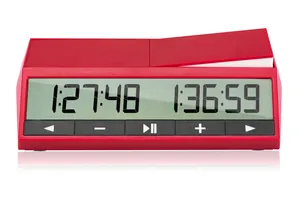
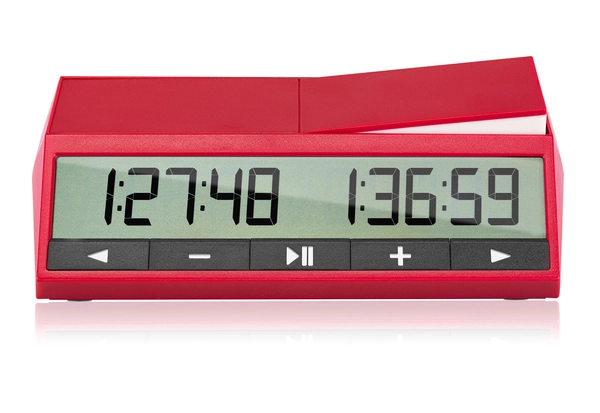
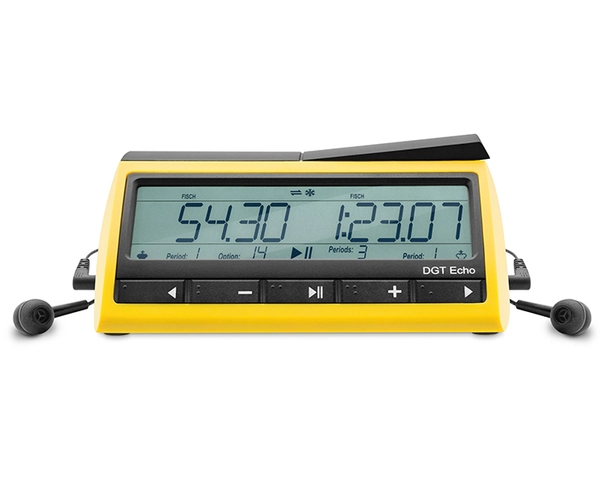
Digital chess clocks are the go-to option if you need increment, delay, bonus, multiple presets, or fast switching between time controls. They are usually easier to match to tournament rules, club events, and training formats, and many players prefer the clear display and precise countdown. If you want a clock for rated play, official competition, or varied controls across chess and other games, digital models usually offer the most flexibility.
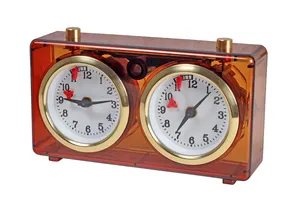
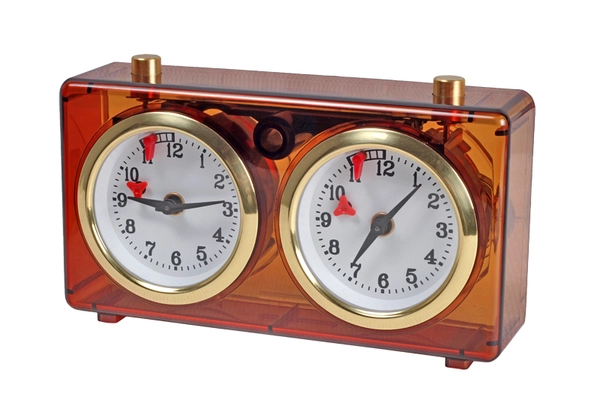
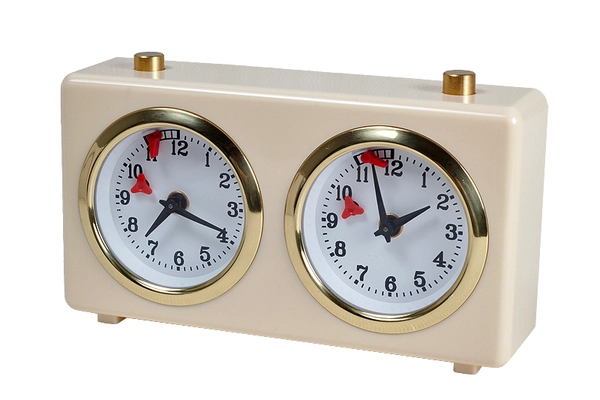
Analog chess clocks, including mechanical and quartz designs, appeal to players who want simple operation and a more traditional feel. They are often quicker to start with for casual home games, classrooms, and players who do not need advanced programming. In general, analog models focus on straightforward timekeeping, while digital models offer more precision and more timing modes.
When comparing models in this collection, think about how the clock will be used during play. Tournament players often need dependable buttons, easy setup, and support for delay or increment, while home and school users may prefer a simple game clock with minimal setup and good readability. Battery needs can also differ: many digital and quartz clocks use batteries, while mechanical options may avoid them but offer fewer official-play features.
Tournament Features and Official Play
For tournament use, focus on digital chess clocks that support the time controls you actually play: increment, delay, bonus, and in some events byo-yomi. A tournament-suitable model should be quick to program, easy to reset between rounds, and simple to read at a glance under playing-hall lighting. Players and organizers also tend to prefer clocks with responsive buttons, stable presets, and a display layout that makes remaining time clear for both sides.
Not every game timer is appropriate for official competition. Casual-use clocks may be fine for home games or classroom practice, but tournament players usually need more consistent operation, broader timing modes, and faster setup. If you are shopping for rated events, check the product details for verified wording such as FIDE-approved chess clocks or clearly stated tournament suitability rather than assuming every model meets official requirements.
If you play in clubs, leagues, or weekend events, a clock with dependable programming and standard competition modes is often the safest pick. For home use, a simpler model may be enough, but for regular event play it is worth choosing a clock built for repeated use, accurate timing, and smooth handling from round to round.
Shop by Brand, Budget, and Build Quality
Browse chess clocks by brand to match your playing level and setting. DGT models are a common pick for tournament and club players who want trusted digital presets and official-play familiarity. Chronos clocks are often chosen by serious competitors looking for a durable, high-end feel and fast, reliable operation. ZMart offers practical value for schools, clubs, and regular home use, while BHB appeals to players who prefer the classic look and feel of analog chess clocks.
Price usually tracks features and construction. Entry-level models are ideal for casual games, classrooms, and first-time buyers who want simple timing without complicated setup. Mid-range options typically add clearer displays, easier programming, sturdier buttons, and more tournament-friendly modes. Premium clocks often focus on heavier-duty housings, smoother button action, and long-term durability for frequent play, events, and club rotation.
Build quality also matters when comparing this collection. Lightweight plastic clocks are easy to carry and practical for travel or school sets, while wood and metal designs offer a more substantial feel for display tables, regular club use, or players who prefer a traditional finish. If you are shopping for a clock that will be moved often or used across many boards, look for dependable construction, easy-to-read screens, and support options such as returns, replacement parts, or shipping offers where available on selected digital chess clocks and analog models.
Accessories and Extras for Chess Clocks
Complete your setup with practical accessories for chess clocks, especially if you travel to events or store equipment between rounds. Carrying bags and protective cases help keep digital and analog models safer in transit, while organized storage is especially useful for clubs, schools, and tournament directors moving multiple boards at once.
If your timer sees frequent use, replacement buttons and spare parts can help extend the life of heavily used tournament timers. These extras are worth considering for club rooms, classrooms, and event kits where clocks are handled often and need to stay reliable from game to game.
For a smoother event setup, pair your clock with the rest of your chess equipment, from boards and pieces to storage solutions for multi-board play. Shopping chess clock accessories alongside your main timer can make home play more convenient and help organizers manage transport, setup, and long-term maintenance more efficiently.
FAQ
What is the best chess clock for tournament play?
The best option for tournament play is usually a digital model with verified tournament-suitable features such as increment, delay, quick preset access, a clear display, and dependable buttons. Many players start by looking at trusted Chess Clocks from brands like DGT or Chronos, then confirm whether a specific model is listed as FIDE-approved or suitable for official competition.
What is the difference between a digital and analog chess clock?
Digital chess clocks are more flexible and are the standard choice for most modern events because they can handle increment, delay, bonus, and multiple time controls. Analog models offer a simpler, classic experience and can work well for casual games, classrooms, or players who prefer straightforward operation, but they usually have fewer timing options and may not suit every tournament format.
Are all chess clocks FIDE approved?
No. Not all Chess Clocks are FIDE approved, and tournament suitability can vary by model even within the same brand. If you need a clock for official competition, check the product details for verified approval information or clear tournament-use guidance rather than assuming any digital timer will qualify.
Which chess clock is best for beginners?
Beginners usually do best with a clock that is easy to set, easy to read, and simple to use during play. A basic digital model is often the most practical choice because it offers clear time display and straightforward controls, while a simple analog clock can also work well for home games if advanced timing modes are not needed.
How much should I spend on a chess clock?
Your budget should match how often and where you play. Entry-level models are often enough for home use, casual games, and many school settings, while mid-range options usually add better programming, clearer displays, and stronger durability for clubs. Premium models are a good fit for frequent tournament players who want faster setup, more advanced timing modes, and longer-lasting build quality in their Chess Clocks.
Whether you need chess clocks for tournament play, a school or club set, or simple home games, filtering by digital or analog type, brand, timing modes, and budget makes it easier to find the right fit. If you are comparing FIDE-suitable options, beginner-friendly models, or accessories like bags and replacement parts, our collection is designed to help you choose with confidence and dependable support.