 France
 English
 Deutsch
 Español
 Italiano
 Nederlands
 Polski
 Português
Chess Tables
Explore chess tables designed for living rooms, studies, patios, schools, and public spaces, with styles ranging from coffee and side tables to dedicated game and outdoor chess tables. This collection is built to help you compare size, material, and layout so it is easier to find the right fit for everyday play, display, or shared use.
As you browse, look at practical details such as wood or concrete construction, integrated boards, storage, seating compatibility, and the stability needed for regular games. Whether you want a furniture-style table for the home or a durable option for a park, patio, or community setting, you can narrow options by design, function, and long-term use.
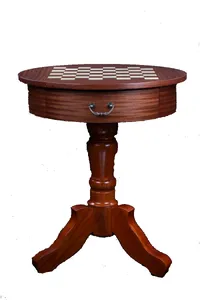
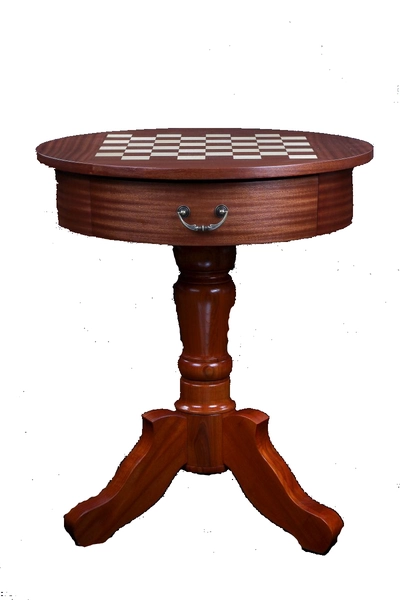
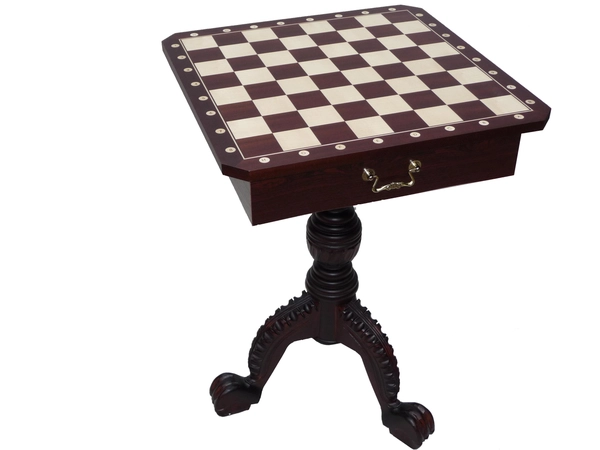
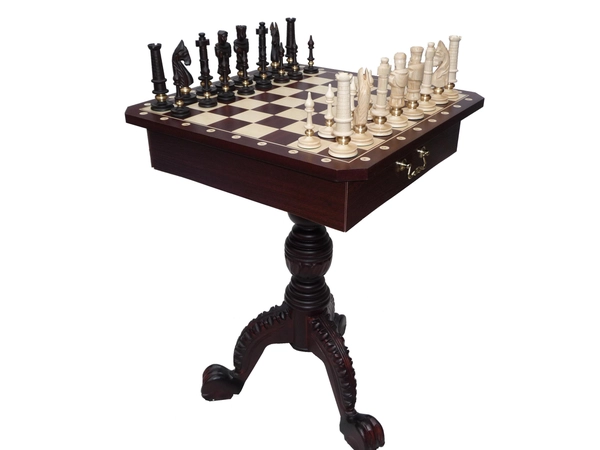
How to Choose the Right Chess Table for Your Space
Start with where the table will live and how often it will be used. Coffee chess tables suit living rooms where the table also needs to function as everyday furniture, while side-table formats work well in smaller studies, reading corners, or apartments with limited floor space. If you want a dedicated setup for longer sessions, larger game tables give players more room for comfortable seating, piece handling, and a stable playing surface.
Size matters just as much as table type. Check the tabletop footprint, table height, and the clearance needed for chairs or stools so play feels comfortable rather than cramped. For a family room or study, look for a proportion that fits the room without crowding walkways; for patios, parks, and schools, outdoor chess tables should leave enough space around the table for easy access, supervision, and regular use in shared settings.
Think about the user as well as the room. Home players often prefer furniture-friendly designs that blend with existing decor, families may want sturdy surfaces and practical proportions, collectors may lean toward statement pieces with premium finishes, and clubs, schools, or community venues usually need durable tables built for repeated play. Filtering by use case, footprint, and table format is the fastest way to narrow the collection before comparing materials, storage, seating, or installation details.
Indoor and Outdoor Chess Tables: Compare Types and Use Cases
Chess Tables come in several formats, so start with where and how you plan to use them. Furniture-style chess board tables, coffee tables, and side tables suit living rooms, studies, and family spaces where the table should work as decor as well as a playable surface. Foldable and convertible designs help in smaller rooms or multipurpose spaces, while children’s options are better for casual play, lower heights, and shared family use.
For frequent games, clubs, or community settings, compare decorative indoor models with heavier-duty tables built for regular play. Dedicated game tables and sturdier chess board tables usually offer better stability, more comfortable playing height, and a surface designed to handle repeated use. If you are shopping for schools, parks, or public venues, permanent installations are often the more practical option because they prioritize durability and day-to-day reliability over furniture styling.
Outdoor chess tables should be selected with weather exposure and installation in mind. Patio and garden models need materials and finishes suited to moisture, sun, and temperature changes, while park or school tables may require concrete construction, anchored bases, or other fixed-installation features for long-term use. If your table will stay outside year-round, focus on weather resistance, easy maintenance, and a build that stays stable in open-air environments.
Wood, Concrete, and Luxury Finishes: What to Look For
When comparing wooden chess tables, concrete chess tables, and premium furniture-style designs, start with where the table will live and how often it will be used. Wood brings warmth and works especially well in living rooms, studies, and game rooms, while concrete suits patios, parks, schools, and other high-traffic outdoor settings that need extra weight and weather resistance. Luxury options such as marble inlay or furniture-grade finishes lean more decorative and collector-focused, making them a strong fit for formal interiors, gifts, and statement pieces.
Build details matter as much as material. Look for a stable base that does not wobble during play, a durable board surface that resists wear, and refined edges that feel finished rather than purely utilitarian. For regular use, heavier construction, solid joinery, and a well-proportioned top usually signal a table that will stay comfortable and attractive over time, whether you want a compact chess board table for everyday play or a larger game table for dedicated sessions.
If you are shopping for a long-term furniture piece, custom and luxury chess tables offer more than visual appeal. They can deliver distinctive craftsmanship, premium finishes, and a more heirloom feel for collectors, gift buyers, or anyone furnishing a room around the table itself. Use material, finish, and construction details to compare each model in the collection and decide whether you need practical durability, outdoor toughness, or a more refined centerpiece for the home.
Features That Matter: Storage, Seating, Stability, and Style
When comparing chess tables, start with the features that affect everyday use. An integrated board keeps the playing surface ready at all times, while drawers or hidden compartments can help store pieces, clocks, or small accessories. Some models are also available with matching stools or coordinated seating, which is especially useful for game rooms, patios, schools, and shared spaces where a complete setup matters.
For regular play, look closely at stability, table height, and legroom. A solid base helps prevent wobble during longer games, and the right height improves comfort whether the table is used in a living room, study, or public setting. For outdoor chess tables or community installations, heavier construction and easy-access seating layouts are often better suited to frequent use. If accessibility is a priority, compare clearance around the table and the overall footprint before ordering.
You can also narrow the collection by material, finish, color, or furniture profile to find chess board tables that fit your interior or outdoor space. Wooden designs often suit classic, traditional, or library-inspired rooms, while cleaner lines and darker finishes work well in modern spaces. If you are shopping for a patio, park, or school, filtering by outdoor chess tables, concrete construction, or weather-ready surfaces can make it easier to find a model that balances appearance with long-term practicality.
FAQ
What size chess table should I choose for my room?
Choose a size that fits both the room and how you plan to play. A compact chess side table works well in a study, apartment, or reading corner, while a larger game table suits a dedicated playroom or family space. For living rooms, chess tables used as coffee tables should leave enough clearance to move around seating comfortably.
Also check table height, board size, and space for chairs or stools. For patios, schools, or parks, allow extra room around the table for easier access and regular use.
What is the best material for a chess table: wood or concrete?
Wood is usually the best choice for indoor spaces where style, warmth, and furniture-grade finishing matter most. Wooden chess tables suit living rooms, studies, and game rooms, and they pair well with classic, traditional, or modern decor.
Concrete is better for outdoor or public settings where durability, weight, and weather resistance are more important. If you are comparing chess board tables for long-term outdoor use in parks or schools, concrete is often the more practical option.
Can chess tables be used outdoors year-round?
Some can, but it depends on the material and construction. Outdoor chess tables made from concrete or other weather-resistant materials are designed for patios, gardens, parks, and school spaces where they may stay outside permanently.
Indoor wooden or luxury models are generally better protected from rain, strong sun, and temperature changes. When shopping outdoor chess tables, look for stable construction, low-maintenance surfaces, and installation details that match your climate and location.
Do chess tables come with storage for pieces or accessories?
Some do, especially furniture-style models designed for home use. Storage can be useful if you want to keep chess pieces, clocks, or small accessories close at hand without adding extra clutter to a living room or study.
Other chess tables focus more on the playing surface, decorative design, or outdoor durability and may not include storage. Check each product for details on drawers, shelves, integrated boards, and any matching seating or accessory options.
Are there chess tables designed for parks, schools, or public spaces?
Yes. Public-use models are typically built for durability, stability, and frequent play in shared spaces. These tables are often heavier, easier to maintain, and better suited to patios, playgrounds, community areas, and school courtyards than indoor furniture-style pieces.
When comparing concrete chess tables or other commercial-friendly options, consider weather exposure, seating needs, accessibility, and whether the table is intended for permanent installation. This helps ensure a better fit for long-term community use.
Whether you are furnishing a living room, study, patio, school, or park, our collection of chess tables makes it easier to compare size, material, style, and practical features in one place. Explore the options that best match your space and playing habits, with reassuring choices for indoor or outdoor use, everyday durability, and long-term enjoyment.